Electricity in Pakistan isn’t just expensive anymore — it’s unreliable. Load-shedding, voltage drops, and rising tariffs have made solar systems almost essential. But here’s where most people get stuck: which battery should you choose?
This is your complete Solar battery guide: Lithium-ion vs Lead-acid for Pakistani homes, designed to help you make a smart, long-term decision.
Look, I get it, the upfront cost of solar is scary but… choosing the wrong battery can quietly destroy your savings over time.
Let’s break it down in simple, real-world terms.
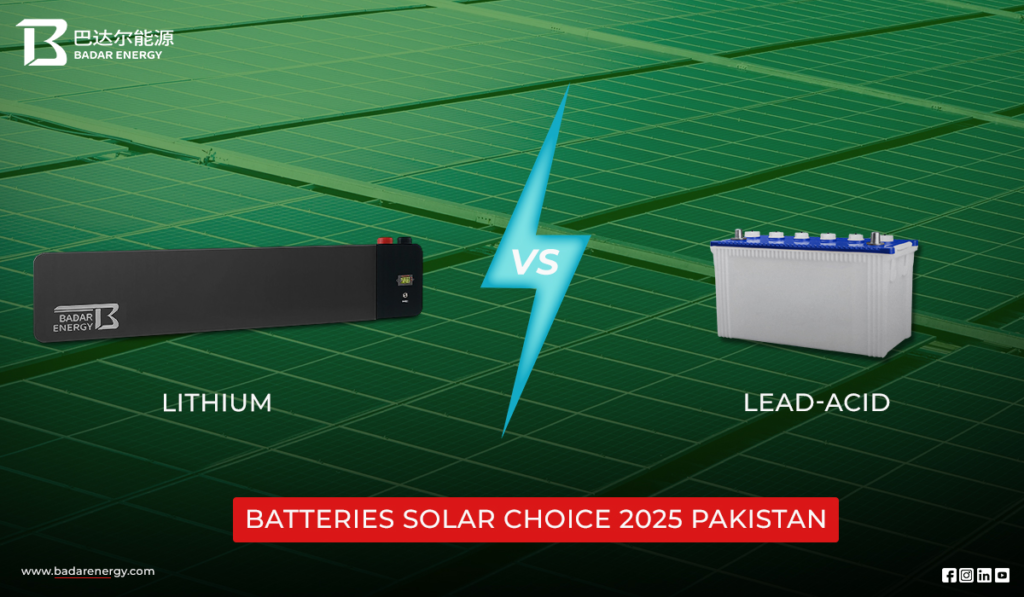
Why Solar Batteries Matter in Pakistan (2026)
If you’re installing a hybrid or off-grid solar system, batteries are not optional — they’re the backbone of your backup power.
What Batteries Do:
- Store excess solar energy
- Provide backup during load-shedding
- Reduce grid dependency
- Improve energy independence
Without a battery:
- Your system shuts down during outages (on-grid systems)
- You rely fully on the grid at night
Here is the real talk about why your electricity bill isn’t coming down: without proper storage, your solar system is only half working.
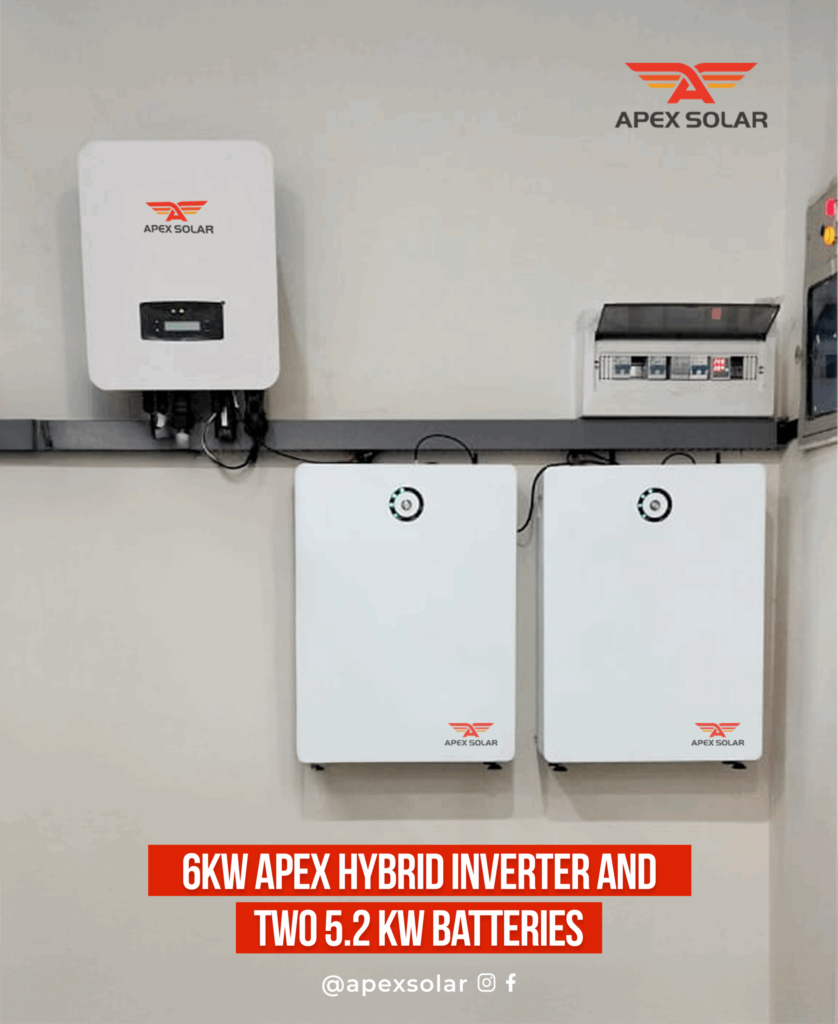
Lithium-ion vs Lead-acid: What’s the Difference?
These are the two main battery types used in Pakistan.
1. Lithium-ion Batteries
Modern, efficient, and becoming the industry standard in 2026.
Key Features:
- High energy density
- Longer lifespan
- Faster charging
- Smart battery management systems
2. Lead-acid Batteries
Traditional and widely used due to lower upfront cost.
Key Features:
- Lower initial price
- Simple technology
- Widely available
- Requires regular maintenance
Comparison Table: Lithium-ion vs Lead-acid Batteries
| Feature | Lithium-ion Batteries | Lead-acid Batteries |
|---|---|---|
| Lifespan | 8–15 years | 2–5 years |
| Efficiency | 90–95% | 70–80% |
| Depth of Discharge | 80–95% | 50% |
| Maintenance | Very Low | High |
| Charging Speed | Fast | Slow |
| Cost (Initial) | High | Low |
| Cost (Long-Term) | Lower | Higher |
| Space Required | Compact | Bulky |
Expert Insight:
Lithium batteries may look expensive, but their Solar ROI is significantly better over time.
How Battery Choice Impacts Net Metering
In Pakistan, Net Metering plays a big role in solar savings.
With Lithium Batteries:
- Store excess energy for night use
- Export surplus efficiently
- Maximize Net Metering credits
With Lead-acid Batteries:
- Limited storage efficiency
- Energy losses reduce export
- Lower overall savings
This directly affects your bill reduction.
Cost Analysis: Lithium vs Lead-acid in Pakistan (2026)
Let’s talk real numbers.
Lithium Battery Costs:
- Rs. 150,000 – 250,000 per kWh
- Lifespan: 10+ years
Lead-acid Battery Costs:
- Rs. 30,000 – 60,000 per battery
- Lifespan: 2–3 years
Long-Term Cost Comparison (10 Years)
| Battery Type | Total Cost (10 Years) | Replacements | ROI Impact |
|---|---|---|---|
| Lithium-ion | 1x investment | None | High |
| Lead-acid | 3–5 replacements | Multiple | Lower |
So yes, lead-acid looks cheap — but it’s actually more expensive in the long run.
Pros and Cons: Lithium-ion Batteries
Pros:
- Long lifespan (10+ years)
- High efficiency
- No maintenence required
- Compact and safe
- Better for hybrid systems
Cons:
- High upfront cost
- Requires compatible inverter
Pros and Cons: Lead-acid Batteries
Pros:
- Low initial cost
- Easy availability
- Simple setup
Cons:
- Short lifespan
- Frequent replacement
- Requires regular maintenence
- Lower efficiency
- Bulky and heavy
Which Battery is Best for Load-Shedding Areas?
Let’s be practical.
Frequent Load-Shedding (4–8 hours daily):
Go for Lithium-ion batteries
- Reliable backup
- Fast charging
- Long-term savings
Occasional Load-Shedding:
Lead-acid may work temporarily — but not ideal long-term.
No Load-Shedding (Urban Areas):
- On-grid system without battery
- Or small Lithium backup
Step-by-Step Guide: How to Choose the Right Battery
Let’s simplify your decision-making proccess.
Step 1: Assess Your Energy Needs
- Calculate daily usage (units)
- Identify backup requirements
Step 2: Check Load-Shedding Duration
- More outages → Lithium
- Less outages → Flexible choice
Step 3: Set Your Budget
- Limited budget → Start small
- Long-term focus → Invest in Lithium
Step 4: Choose Compatible Inverter
Not all inverters support Lithium batteries.
Look for:
- Hybrid inverter
- Smart battery integration
- High inverter efficiency (98%+)
Step 5: Evaluate Space & Safety
- Lithium → Compact, indoor-friendly
- Lead-acid → Needs ventilation
Step 6: Plan for Future Expansion
Lithium systems are easier to scale.
System Types & Battery Compatibility
| System Type | Battery Requirement | Best Battery Type |
|---|---|---|
| On-Grid | Not required | Optional Lithium |
| Off-Grid | Mandatory | Lead-acid / Lithium |
| Hybrid | Recommended | Lithium-ion |
Expert Verdict:
Hybrid systems + Lithium batteries = best combination for Pakistani homes in 2026.
Middle-Class vs Elite Strategy
Middle-Class Homes:
- Start with small Lithium battery (2–5 kWh)
- Or temporary lead-acid setup
- Upgrade later
Elite Homes:
- Full Lithium battery bank (10–20 kWh)
- Smart home integration
- Zero load-shedding impact
Common Mistakes to Avoid
1. Choosing Cheap Batteries
Short lifespan = higher long-term cost.
2. Ignoring Compatibility
Wrong battery + inverter = system failure.
3. Poor Installation
Bad wiring reduces efficiency and safety.
4. No Maintenance Plan
Especially important for lead-acid batteries.
Future of Solar Batteries in Pakistan
The trend is clear:
- Lithium battery prices are dropping
- Technology is improving
- Government incentives may increase
By 2028, Lithium will likely dominate the market.
Final Thoughts: Which One Should You Choose?
Short answer:
- Want long-term savings → Lithium-ion
- Want short-term savings → Lead-acid
Long answer:
If you’re serious about reducing electricity bills, improving backup, and maximizing Solar ROI, Lithium batteries are the smarter choice.
Your not just buying a battery — you’re investing in energy independence.
And if you want expert guidance tailored to your needs, sunvolt.site is becoming the go-to platform for Pakistan’s transition to clean and affordable solar energy.
Call to Action
Still confused about which battery is right for your home?
Visit sunvolt.site today to calculate your solar savings, compare Lithium vs Lead-acid options, and connect with trusted solar experts across Pakistan.
Make the smart move now — power your home, protect your budget, and take full control of your energy future.