If your solar inverter suddenly shows an “Earth Fault” error, don’t panic — but also don’t ignore it.
This is one of the most important safety alerts in any solar system, and it usually indicates a grounding or leakage issue that needs immediate attention.
This guide on troubleshooting “Earth Fault” in solar inverter installations will help you understand what it means, why it happens, and how to fix it safely — without unnecessary technician costs.
Look, I get it, the upfront cost of solar is scary but… ignoring electrical faults like this can lead to serious system damage or even safety risks.
Let’s go step by step like a senior solar consultant would explain it.
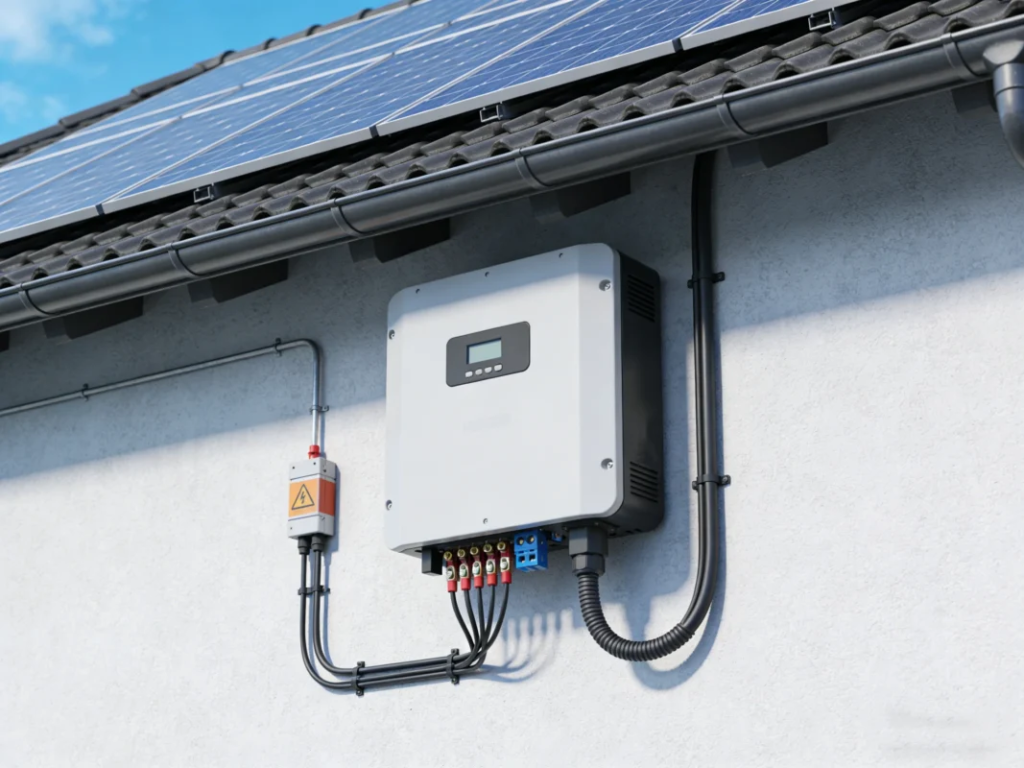
What is an Earth Fault in Solar Inverters?
An Earth Fault occurs when electrical current unintentionally leaks into the grounding system.
In simple terms:
- Electricity is “escaping” from its normal path
- The system detects unsafe grounding conditions
- Inverter shuts down to prevent damage
Why Earth Faults Are Common in Pakistan (2026 Reality)
Pakistan’s environment and installation practices play a big role.
Major Causes:
- Poor grounding installation
- Damaged DC cables
- Moisture in wiring
- Rodent damage (very common in rural setups)
- Low-quality installation materials
Here is the real talk about why your electricity bill isn’t coming down: system faults like earth leakage reduce efficiency and force your inverter to shut down frequently.
Why Earth Fault is a Serious Issue
Unlike minor inverter errors, earth faults are safety-related.
Risks include:
- Electric shock hazard
- Fire risk in extreme cases
- Permanent inverter damage
- Loss of Net Metering efficiency
This is not something to ignore or “wait and see”.
Types of Solar Systems Affected
Earth faults can occur in all system types.
1. On-Grid Systems
- Most sensitive due to grid synchronization
- Earth faults trigger immediate shutdown
2. Hybrid Systems
- Battery + grid complexity increases fault chances
3. Off-Grid Systems
- Less strict but still affected
Comparison Table: System Sensitivity to Earth Faults
| System Type | Earth Fault Sensitivity | Risk Level | Shutdown Behavior |
|---|---|---|---|
| On-Grid | High | High | Immediate stop |
| Hybrid | Medium | Medium | Partial shutdown |
| Off-Grid | Low | Low | Warning only |
Common Symptoms of Earth Fault in Solar Inverters
You may notice:
- “Earth Fault” error on display
- Sudden system shutdown
- No energy output despite sunlight
- Tripping breaker repeatedly
- Warning alarms from inverter
Troubleshooting “Earth Fault” in Solar Inverter Installations (Step-by-Step Guide)
Now let’s fix it safely and practically.
Step 1: Turn Off the System Immediately
Safety first.
- Switch off inverter
- Disconnect AC and DC supply
Never inspect a live system.
Step 2: Inspect Grounding Connection
Check:
- Earth rod connection
- Ground wire tightness
- Rust or corrosion
Fix:
- Tighten loose connections
- Replace damaged earth wire
Step 3: Check DC Cables from Solar Panels
Earth faults often start here.
Look for:
- Cuts in insulation
- Crushed cables
- Rodent damage
Fix:
- Replace damaged wires immediately
- Use UV-resistant cables
Step 4: Inspect MC4 Connectors
Loose or damaged connectors cause leakage.
Fix:
- Reconnect properly
- Replace burnt connectors
Step 5: Check for Moisture or Water Entry
Very common during rainy seasons.
Fix:
- Dry affected areas
- Seal junction boxes properly
Step 6: Test Individual Panel Strings
Sometimes only one string is faulty.
Fix:
- Disconnect strings one by one
- Identify faulty section
Step 7: Restart Inverter
Once all checks are complete:
- Restart system
- Monitor error status
Role of Proper Grounding in Solar Systems
Grounding is your system’s safety shield.
Good grounding ensures:
- Fault current safety
- Equipment protection
- Stable inverter performance
Poor grounding leads to:
- Frequent earth faults
- System instability
- Reduced Solar ROI
Net Metering & Earth Fault Issues
Earth faults directly impact Net Metering performance.
Effects:
- System shutdown reduces exported units
- Lower monthly credits
- Reduced efficiency
Proper grounding = stable Net Metering benefits.
Inverter Efficiency and Fault Detection
Modern inverters (2026 models) include:
- Advanced leakage detection
- Automatic shutdown systems
- Real-time fault alerts
Higher inverter efficiency reduces risk but does not eliminate installation faults.
Lithium Batteries & Earth Fault Safety
Hybrid systems with Lithium batteries require extra caution.
Why:
- High energy density
- Sensitive BMS systems
- Complex wiring integration
Improper installation increases fault chances.
Cost Impact of Ignoring Earth Faults
Let’s talk real money.
Ignored Faults:
- Inverter damage
- Panel wiring replacement
- System downtime
- Reduced Solar ROI
Fixed Early:
- Minimal repair cost
- Full system efficiency
- Long-term savings
ROI Impact Table
| Condition | System Output | Maintenance Cost | ROI Outcome |
|---|---|---|---|
| Fault Ignored | Low | High | Delayed |
| Fault Fixed | High | Low | Fast |
Middle-Class vs Elite Installation Practices
Middle-Class Homes:
- Basic grounding setup
- Manual inspection
- Occasional maintenance
Elite Homes:
- Advanced grounding systems
- Surge protection devices
- Annual safety audits
Elite setups prioritize safety and automation.
Common Mistakes That Cause Earth Faults
Let me save you from expensive errors.
1. Poor Grounding Rod Installation
Shallow rods = weak protection.
2. Cheap Wiring Material
Low-quality insulation breaks quickly.
3. Ignoring Water Protection
Moisture is a silent killer.
4. Improper Installation Work
Untrained labor causes long-term issues.
Yes, maintenence and installation quality matter equally.
Preventive Measures to Avoid Earth Faults
Do This Regularly:
- Inspect wiring every 3–6 months
- Check grounding resistance
- Clean junction boxes
- Monitor inverter alerts
Avoid:
- DIY electrical modifications
- Cheap repair shortcuts
- Ignoring warning signals
Step-by-Step Maintenance Routine
Let’s simplify the proccess.
Weekly:
- Monitor inverter display
Monthly:
- Check visible wiring
- Inspect grounding point
Quarterly:
- Professional system check
Future of Earth Fault Detection (2026+)
Solar technology is evolving fast:
- AI-based fault prediction
- Smart grounding systems
- Self-diagnosing inverters
Future systems will automatically isolate faults before shutdown.
Final Thoughts: Should You Worry About Earth Faults?
Short answer: Yes — but they are fully manageable.
Long answer:
Earth faults are safety warnings, not system failures. If handled properly, your solar system remains safe, efficient, and profitable for decades.
Your not just fixing an error — you’re protecting your entire solar investment and your home’s safety.
And if you want expert guidance, troubleshooting support, and reliable solar installation insights, sunvolt.site is becoming Pakistan’s trusted platform for renewable energy solutions.
Call to Action
Don’t ignore Earth Fault warnings.
Visit sunvolt.site today to learn how to troubleshoot solar issues, calculate your Solar ROI, and connect with certified solar experts in Pakistan.
Take action now — fix faults early, protect your system, and ensure safe, uninterrupted solar power for years to come.