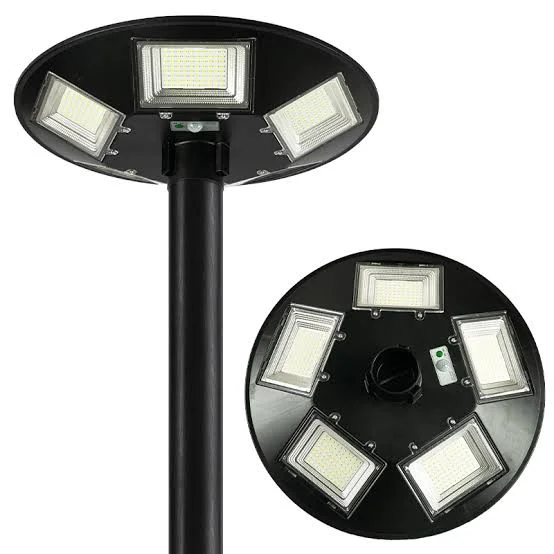
Street lighting is one of the biggest hidden expenses for housing societies in Pakistan. Monthly electricity bills, maintenance, wiring faults—it all adds up.
Now here’s the smarter alternative: solar street lights.
Look, I get it, the upfront cost of solar is scary but when you look at long-term savings, reduced maintenance, and zero electricity bills, solar street lights become a no-brainer.
In this expert guide, we’ll break down the best solar street lights for housing societies, how to choose them, and how to maximize your Solar ROI using 2026 technology.
Why Housing Societies Are Switching to Solar Street Lights
Let’s start with the reality.
Traditional Street Lighting Problems
- High monthly electricity bills
- Frequent outages
- Underground wiring issues
- Theft of cables
- Ongoing maintenence costs
Now compare that with solar.
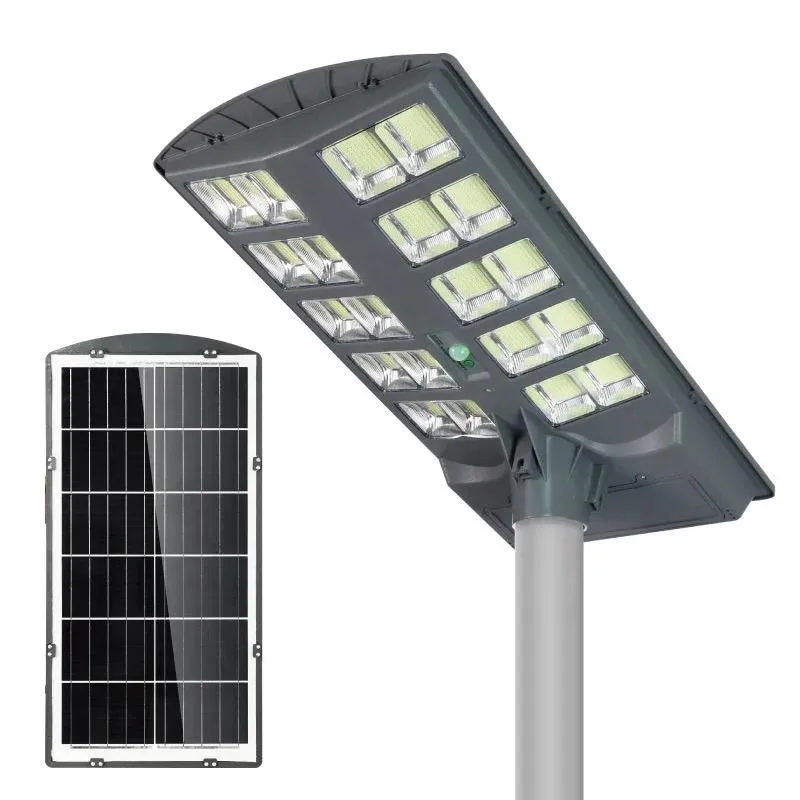
Benefits of Solar Street Lights
- Zero grid electricity cost
- Independent operation (no wiring needed)
- Works during load shedding
- Long lifespan (5–10 years)
- Eco-friendly
Here is the real talk about why your electricity bill isn’t coming down: common area loads like street lights silently drain your budget every month.
Types of Solar Street Lights
Understanding types is key before buying.
1. All-in-One Solar Street Lights
- Panel, battery, LED integrated
- Easy installation
- Compact design
Best for: Small to medium societies
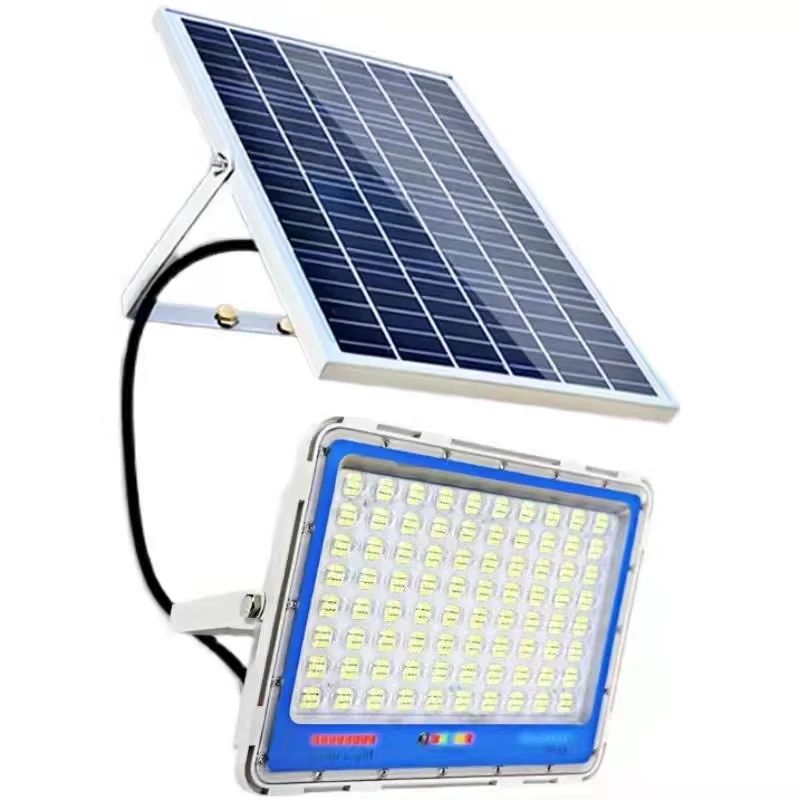
2. Split Solar Street Lights
- Separate panel and light
- Higher efficiency
- Flexible installation
Best for: Large societies and main roads
3. Smart Solar Street Lights
- Motion sensors
- Dimming control
- Remote monitoring
Best for: Premium housing societies
Comparison Table: Solar Street Light Types
| Type | Cost | Efficiency | Best Use |
|---|---|---|---|
| All-in-One | Low | Medium | Small streets |
| Split System | Medium | High | Main roads |
| Smart Lights | High | Very High | Elite societies |
Key Features to Look for (2026 Buyer’s Checklist)
Choosing the wrong lights can waste your investment.
1. Battery Type
- Prefer Lithium batteries (LiFePO4)
- Longer life and better performance
2. Solar Panel Quality
- Mono PERC panels (higher efficiency)
- Weather-resistant
3. LED Efficiency
- High lumen output
- Energy-saving chips
4. Backup Time
- Minimum 10–12 hours
- 2–3 days autonomy for cloudy weather
5. Build Quality
- IP65 or higher waterproof rating
- Anti-rust body
6. Smart Features
- Motion sensors
- Auto dimming
- Remote monitoring
Step-by-Step Guide: How to Choose & Install Solar Street Lights
Let’s simplify the proccess for societies.
Step 1: Assess Lighting Requirements
- Road width
- Pole spacing
- Required brightness
This determines wattage and quantity.
Step 2: Select System Type
- Small society → All-in-One
- Large society → Split system
- Premium society → Smart lights
Step 3: Calculate Budget
Balance cost vs performance.
Don’t go for the cheapest option—it usually fails early.
Step 4: Choose Reliable Supplier
- Warranty (2–5 years minimum)
- After-sales support
- Certified products
Step 5: Plan Installation Layout
- Proper pole height (12–25 feet)
- Even spacing
- No shading from trees
Step 6: Install Poles & Lights
- Strong foundation
- Correct tilt angle for panels
- Secure mounting
Step 7: Test System
- Check charging
- Verify night operation
- Inspect sensor functionality
Step 8: Maintenance Plan
- Clean panels every 2–4 weeks
- Check battery health annually
Yes, solar is low maintenence—but not zero.
Cost Analysis for Housing Societies (Pakistan 2026)
Here’s a realistic estimate:
| Item | Cost per Unit (PKR) |
|---|---|
| All-in-One Light | 25,000 – 60,000 |
| Split System | 50,000 – 120,000 |
| Smart Solar Light | 80,000 – 200,000 |
| Pole Installation | 10,000 – 30,000 |
Example Project
For 50 lights:
- Total cost: 2.5M – 7M PKR
ROI Insight
- Electricity savings: Significant
- Payback period: 2–4 years
- Lifespan: 5–10 years
After payback, it’s basically free lighting.
Solar Street Lights vs Grid Lighting
| Feature | Solar Lights | Grid Lights |
|---|---|---|
| Electricity Cost | Zero | High |
| Installation | Easy | Complex |
| Maintenance | Low | High |
| Reliability | High | Depends on grid |
| Net Metering | Not required | Not applicable |
Solar wins in almost every scenario.
Common Mistakes to Avoid
Let me be blunt—these mistakes cost societies lakhs:
- Buying cheap, low-quality lights
- Ignoring battery quality
- Poor installation angles
- No maintenence plan
- Over or under-lighting areas
And the biggest mistake?
Choosing based on price instead of long-term performance.
Advanced Tips for 2026 Smart Societies
If you want to future-proof your project:
- Use IoT-enabled smart lighting
- Integrate with security systems
- Install motion-based dimming
- Monitor performance remotely
This reduces energy waste and improves efficiency.
Middle-Class vs Elite Society Strategy
Middle-Class Societies
- Use all-in-one lights
- Focus on affordability
- Gradual installation
Elite Societies
- Smart solar lighting systems
- Full automation
- Premium design aesthetics
Both approaches work—it depends on budget and vision.
How This Connects to Broader Solar Adoption
Solar street lights are often the first step.
From here, societies move toward:
- Rooftop solar systems
- Net Metering integration
- Hybrid energy systems
This is how communities reduce overall energy costs.
Final Thoughts: Smart Lighting = Smart Investment
Solar street lights are not just about lighting—they’re about:
- Cost savings
- Energy independence
- Modern infrastructure
And honestly, once installed, you’ll wonder why you didn’t switch earlier.
At sunvolt.site, we help housing societies across Pakistan design and implement smart solar solutions that deliver real, long-term value.
Ready to Upgrade Your Society with Solar Lighting?
Stop paying high electricity bills for street lighting.
Visit sunvolt.site today to:
- Calculate your Solar ROI
- Get expert consultation
- Design a customized solar lighting plan
Because in 2026, smart societies don’t just use electricity—they generate it.
Leave a Reply