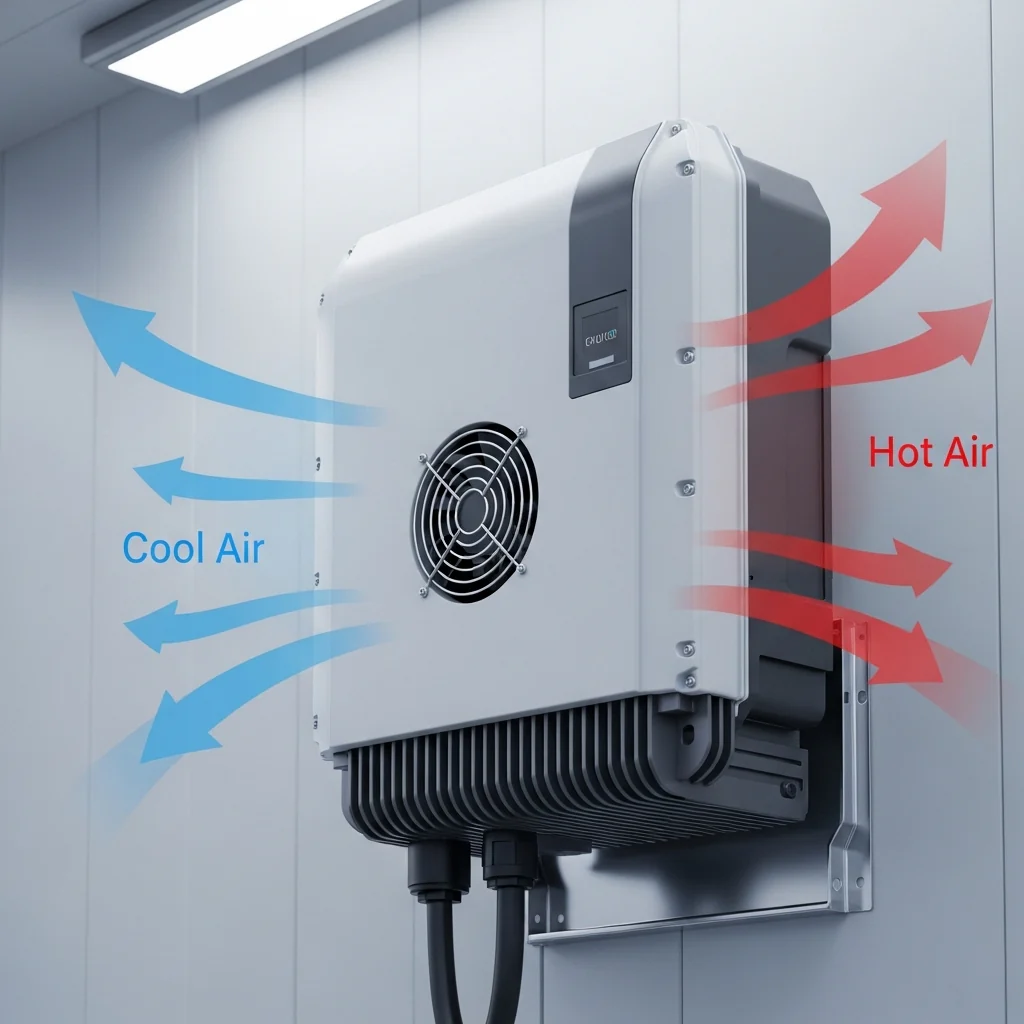
Pakistan’s summers are brutal—especially for solar systems.
When temperatures cross 45°C in many cities, your solar panels are still producing energy, but your solar inverter starts feeling the heat—literally.
And here’s the problem most homeowners ignore:
👉 A hot inverter doesn’t just reduce efficiency—it can shorten system life and reduce your overall Solar ROI.
Look, I get it, the upfront cost of solar is scary but protecting your inverter is one of the smartest ways to safeguard your long-term investment.
In this expert guide, we’ll explore the best ways to cool down your solar inverter during peak summer, using practical solutions tailored for Pakistan’s 2026 climate conditions, Net Metering systems, and modern solar setups.
Why Solar Inverters Overheat in Pakistani Summers


6
Your solar inverter works like the brain of your entire system.
It converts DC electricity from panels into usable AC electricity for your home.
Main Reasons for Overheating
- Extreme ambient temperatures
- Poor ventilation
- Direct sunlight exposure
- Dust accumulation
- Overloaded system usage
Here is the real talk about why your electricity bill isn’t coming down: inefficiency caused by overheating silently reduces solar performance every single day.
Effects of Overheating on Solar Inverters
If your inverter runs hot for long periods, you may face:
- Reduced conversion efficiency
- Frequent system shutdowns
- Shortened inverter lifespan
- Battery charging issues
- Lower Inverter efficiency overall
In extreme cases, overheating can damage internal components permanently.
Best Ways to Cool Down Your Solar Inverter During Peak Summer
Let’s break down proven solutions used in Pakistan’s solar installations.
1. Install Inverter in a Shaded Area (Most Important)


6
Never install your inverter in direct sunlight.
Best Placement Options:
- Indoor utility room
- Shaded corridor wall
- Under a roof cover
- Dedicated inverter enclosure
Even a small shade can reduce temperature by 10–15°C.
2. Ensure Proper Airflow and Ventilation


6
Heat buildup is often caused by poor air circulation.
How to Improve Ventilation:
- Keep 6–12 inches space around inverter
- Install exhaust fans if indoors
- Avoid closed cabinets
- Ensure cross-airflow in room
Airflow = natural cooling system.
3. Use Heat-Resistant Enclosures

7
If your inverter is installed outdoors:
- Use UV-resistant casing
- Install reflective coating
- Ensure ventilation slots
This prevents direct heat absorption.
4. Install Cooling Fans or Exhaust Systems
Active cooling improves inverter performance significantly.
Options:
- Small DC cooling fans
- Automatic temperature-controlled fans
- Exhaust ventilation systems
These are affordable and highly effective.
5. Avoid Overloading Your Solar System
Overloading causes excess heat generation.
Common Mistakes:
- Connecting too many appliances
- Running heavy loads during peak heat
- Ignoring inverter capacity limits
Always match load with system size.
6. Clean Dust Regularly


6
Dust is a major issue in Pakistan.
Effects of Dust:
- Blocks airflow
- Reduces heat dissipation
- Increases internal temperature
Clean every 2–3 months for best performance.
7. Use Reflective Roofing or Insulation
If inverter is installed in a shed or rooftop room:
- Use heat reflective paint
- Install thermal insulation sheets
- Add sunshade covers
This reduces ambient temperature significantly.
8. Optimize Solar Panel Load Distribution
Balanced load reduces inverter stress.
- Avoid peak-hour overload
- Shift heavy appliances to daytime
- Use Net Metering to export excess energy
This improves system balance and reduces heat generation.
Comparison Table: Cooling Methods Effectiveness
| Method | Effectiveness | Cost | Maintenance |
|---|---|---|---|
| Shaded Installation | Very High | Low | Low |
| Ventilation System | High | Medium | Medium |
| Cooling Fans | High | Low | Medium |
| Enclosure Protection | Medium | Medium | Low |
| Load Optimization | Very High | None | Low |
Step-by-Step Guide: How to Cool Down Your Solar Inverter Properly
Let’s simplify everything into practical steps.
Step 1: Choose Ideal Location
- Indoor shaded space preferred
- Avoid rooftop direct sunlight
Step 2: Ensure Air Circulation
- Maintain clearance around inverter
- Install fans if needed
Step 3: Install Protective Housing
- Use heat-resistant materials
- Ensure ventilation openings
Step 4: Monitor Temperature
- Use inverter display or app
- Track daily heat patterns
Step 5: Reduce Load During Peak Heat
- Avoid running heavy appliances midday
- Shift usage to early morning or evening
Step 6: Schedule Regular Cleaning
- Remove dust every few months
- Inspect cooling vents
Yes, simple maintenence makes a huge difference in system lifespan.
Impact on Solar ROI and Net Metering Efficiency
Cooling your inverter properly improves:
- Energy conversion efficiency
- Battery charging stability
- Overall Solar ROI
- Net Metering export consistency
A cooler inverter = more stable energy output = higher savings.
Common Mistakes Homeowners Make
Let’s be honest—these mistakes are very common in Pakistan:
- Installing inverter in direct sunlight
- Ignoring ventilation gaps
- Overloading system in peak heat
- Skipping regular cleaning
- Using sealed cabinets without airflow
And the biggest mistake?
Thinking inverter overheating is normal—it’s not.
Advanced 2026 Cooling Technologies
Modern solar systems now include:
1. Smart Temperature Sensors
- Automatic shutdown protection
- Real-time monitoring
2. AI Load Management
- Balances energy usage
- Reduces peak stress
3. Liquid-Cooled Inverters (Emerging Tech)
- Advanced heat control
- High efficiency in extreme climates
These technologies are becoming more common in premium systems.
Middle-Class vs Elite Household Approach
Middle-Class Homes
- Focus on shading + ventilation
- Basic cooling fans
- Budget-friendly optimization
Elite Homes
- Smart cooling systems
- AI-controlled load balancing
- Dedicated inverter rooms
Both approaches improve system lifespan significantly.
Final Thoughts: Cooling Your Inverter Protects Your Investment
Your solar inverter is the heart of your system.
If it overheats, your entire solar performance suffers.
But with the right cooling strategies, you can:
- Extend system life
- Improve efficiency
- Maximize Net Metering benefits
- Increase Solar ROI
At sunvolt.site, we help homeowners across Pakistan design solar systems that perform efficiently even in extreme summer conditions.
Ready to Optimize Your Solar System?
Don’t let heat reduce your solar savings.
Visit sunvolt.site today to:
- Get expert inverter cooling solutions
- Improve system efficiency
- Maximize your solar investment returns
Because in Pakistan’s summer, smart cooling isn’t optional—it’s essential.
Leave a Reply