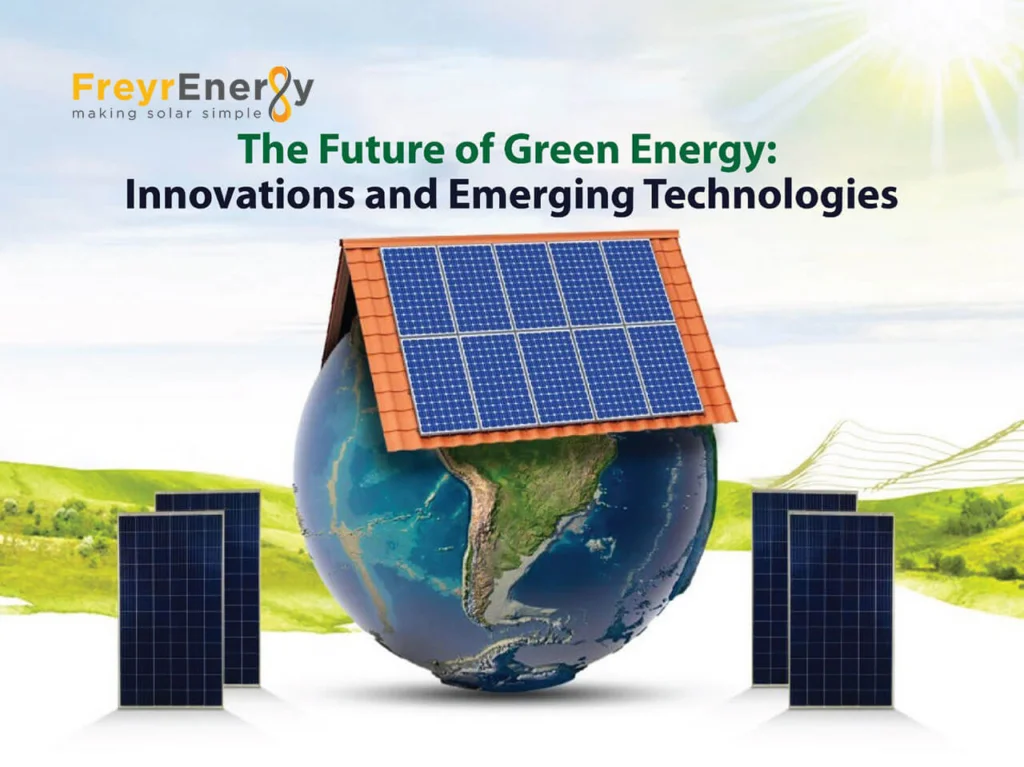
The world is changing fast—and energy is at the center of that transformation.
By 2030, solar energy will not just be an alternative power source. It will be the default energy system for homes, businesses, and entire cities.
And in Pakistan, this shift is even more important due to rising electricity prices, load shedding challenges, and growing interest in Net Metering and independent energy systems.
Look, I get it, the upfront cost of solar is scary but if you understand where technology is going, you’ll realize something important:
👉 The future of energy is not about paying bills—it’s about producing your own power.
In this expert guide, we’ll explore the Future of Green Energy: What will solar look like in 2030?, with real insights tailored for Pakistani households and global 2026 trends.
The Solar Revolution: Where We Stand in 2026
Before we jump into 2030, let’s understand where we are right now.
Current Solar Trends (2026)
- High-efficiency monocrystalline panels
- Smart hybrid inverters
- Lithium batteries replacing lead-acid
- AI-based energy monitoring
- Expansion of Net Metering in Pakistan
Here is the real talk about why your electricity bill isn’t coming down: outdated systems and inefficient energy use still dominate many homes.
But that is rapidly changing.
What Solar Will Look Like in 2030
By 2030, solar energy will evolve in five major directions.
1. Ultra-Efficient Solar Panels


7
Solar panels in 2030 will:
- Reach 35–45% efficiency (compared to ~22% today)
- Use perovskite + silicon hybrid cells
- Be lightweight and flexible
- Even integrate into windows and walls
Imagine your house windows generating electricity.
That’s not science fiction anymore—it’s coming.
2. Smart AI-Powered Energy Systems


7
By 2030, solar systems will think for themselves.
- AI will predict energy usage
- Automatically switch loads
- Optimize battery charging
- Reduce energy wastage
This will significantly improve Inverter efficiency and overall system performance.
3. Advanced Battery Storage (Beyond Lithium)


6
Today we use Lithium batteries.
By 2030:
- Solid-state batteries will dominate
- Faster charging, longer lifespan
- Higher energy density
- Safer and more compact systems
This will make off-grid living far more practical in Pakistan.
4. Fully Integrated Smart Homes


8
Homes will not just use solar—they will be fully solar-native.
- Appliances will connect to solar systems
- Real-time energy balancing
- Smart grids inside homes
- Zero manual energy management
This will maximize Solar ROI like never before.
5. Decentralized Energy Grids


6
By 2030:
- Homes will share electricity
- Peer-to-peer energy trading will be common
- Microgrids will replace traditional grids
- Blockchain may manage energy transactions
This is especially important for countries like Pakistan where grid instability is still a challenge.
Solar vs Traditional Energy in 2030
| Feature | Solar Energy | Fossil Fuels |
|---|---|---|
| Cost | Near zero after setup | Increasing |
| Sustainability | Renewable | Finite |
| Efficiency | AI optimized | Fixed |
| Net Metering | Fully integrated | Not applicable |
| Future Viability | High | Low |
Pakistan’s Solar Future by 2030
Pakistan is expected to become one of the fastest-growing solar markets in the region.
Key Drivers
- Rising electricity costs
- Load shedding issues
- Expansion of Net Metering
- Government renewable energy targets
By 2030, millions of homes in Pakistan will likely:
- Run fully on rooftop solar
- Store energy using advanced batteries
- Export excess electricity to the grid
Step-by-Step Guide: Preparing for the Solar Future Today
If you want to benefit from 2030 technology, start now.
Step 1: Install a Basic Solar System
- Rooftop panels
- Hybrid inverter
- Battery backup
Step 2: Enable Net Metering
- Export excess electricity
- Reduce monthly bills
- Improve Solar ROI
Step 3: Upgrade to Smart Monitoring
- Use mobile apps
- Track energy usage
- Optimize consumption
Step 4: Switch to Lithium Batteries
- Longer lifespan
- Better efficiency
- Faster charging
Step 5: Plan for Expansion
- Leave roof space for future panels
- Use scalable inverters
- Design for upgrades
Solar ROI in the Future Economy
By 2030, Solar ROI will improve dramatically due to:
- Lower panel costs
- Higher efficiency
- Better battery technology
- AI energy optimization
What takes 5–7 years today may take only 2–3 years in the future.
Common Misconceptions About Future Solar
Let’s clear some myths:
❌ “Solar will replace grid completely”
Not fully—but grids will become backup systems.
❌ “Solar is too expensive”
Costs are decreasing every year.
❌ “Technology is still unstable”
Modern systems are already highly reliable.
Challenges Ahead
Even with growth, challenges remain:
- Initial investment costs
- Policy changes in Net Metering
- Energy storage limitations
- Awareness gaps in rural areas
But all of these are improving rapidly.
Middle-Class vs Elite Adoption Trends
Middle-Class Homes
- Basic rooftop systems
- Gradual upgrades
- Focus on savings
Elite Homes
- Fully automated solar ecosystems
- AI-managed energy
- High-capacity battery storage
Both will benefit—but at different speeds.
Final Thoughts: The Solar Future is Already Starting
By 2030, solar energy will no longer be an alternative—it will be the backbone of global power systems.
And Pakistan is moving in that direction faster than most people realize.
The smartest decision today is not just installing solar—it’s building a system that can evolve with future technology.
At sunvolt.site, we help homeowners prepare for this transformation with practical, future-ready solar solutions tailored for Pakistan’s energy landscape.
Ready to Future-Proof Your Energy?
Don’t wait for 2030 to arrive before making smart decisions.
Visit sunvolt.site today to:
- Design future-ready solar systems
- Calculate long-term Solar ROI
- Get expert consultation for Net Metering setups
Because the future of energy isn’t coming someday—it’s already starting today.
Leave a Reply