If you are tired of watching your electricity bill rise every month in Pakistan, you are not alone. I deal with homeowners and business owners every week, and almost everyone says the same thing: “Solar sounds good, but the system is confusing and expensive.”
Look, I get it. The upfront cost of solar and the paperwork for Net Metering in Pakistan can feel overwhelming. But here is the real truth in 2026: if you understand the process correctly, Net Metering is one of the most powerful legal ways to reduce your electricity bill to almost zero over time.
In this guide from sunvolt.site, I am going to break everything down step-by-step so even a non-technical homeowner can confidently apply for Net Metering in Pakistan.
What is Net Metering in Pakistan (2026 Updated Concept)
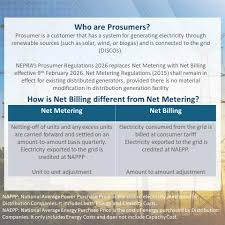
Net Metering is a billing system where your solar system is connected to the national grid. When your solar panels produce extra electricity, it goes back to the grid. In return, you get credits that reduce your electricity bill.
Think of it like this:
- Daytime: Your solar system powers your home
- Extra power: Goes to WAPDA/utility grid
- Night time: You use electricity from grid using those credits
This system is officially regulated under NEPRA guidelines in Pakistan and is now widely adopted in 2026 due to rising energy demand.
Why Net Metering is a Game Changer in 2026
Electricity prices in Pakistan have increased significantly, and fuel-based generation is still expensive. Solar energy combined with Net Metering is now considered the most stable long-term solution.
Here is the real talk about why your electricity bill isn’t coming down:
- You are still heavily dependent on grid electricity
- Peak-hour tariffs are increasing
- No energy offset system is in place without solar
Net Metering fixes this problem by turning your home into a mini power station.
Types of Solar Systems for Net Metering
Before applying, you must understand system types:
Comparison Table: Solar System Types
| System Type | Description | Net Metering Eligible | Cost Level | Best For |
|---|---|---|---|---|
| On-Grid System | Connected directly to grid | Yes | Medium | Urban homes & businesses |
| Off-Grid System | Independent with batteries | No | High | Remote areas |
| Hybrid System | Grid + battery backup | Partially | Very High | Load-shedding sensitive users |
In Pakistan 2026 market, on-grid systems are the most commonly approved for Net Metering because they directly interact with the utility grid.
Step-by-Step Guide: How to Apply for Net Metering in Pakistan 2026
Now let’s break the process into simple steps.
Step 1: Install a Solar System (Approved Capacity)
First, you need a properly designed solar system installed by a certified installer.
Key points:
- System must match your sanctioned load
- Inverter must be grid-tied (hybrid or on-grid)
- Panels should meet NEPRA-approved standards
Common mistake people make is buying random cheap systems without checking compatibility. That later causes rejection in application proccess.
Step 2: Apply Through Your Electricity Provider
You must apply to your local distribution company (like LESCO, FESCO, K-Electric, etc.)
Required documents:
- CNIC copy
- Latest electricity bill
- Proof of solar installation
- Application form for Net Metering
Step 3: Electrical Inspection
After submission, the utility company sends engineers for inspection.
They check:
- Wiring safety
- Inverter compatibility
- Meter connection safety
- Load capacity
If your system passes, you move to the next step.
Step 4: Agreement Signing
You sign a Net Metering agreement with your electricity provider.
This document defines:
- Energy export rate
- Billing adjustments
- Grid usage terms
Step 5: Bi-Directional Meter Installation
A special smart meter is installed that can:
- Measure imported electricity
- Measure exported solar electricity
This is the heart of Net Metering system.
Step 6: System Activation
Once the meter is installed:
- Your system is officially activated
- You start exporting excess solar energy
- Credits are applied to your bill
From this point, your electricity savings officially begin.
Cost vs Savings Analysis (ROI Table 2026)
Let’s look at real-world numbers based on Pakistan market trends.
System Size | Estimated Cost (PKR) | Monthly Bill Savings | Payback Period
—|—|—|—|—
5kW System | 900,000 – 1,100,000 | 15,000 – 22,000 | 3–4 years
10kW System | 1.8M – 2.2M | 30,000 – 45,000 | 3–5 years
15kW System | 2.8M – 3.5M | 50,000 – 70,000 | 3–6 years
Important note: These numbers are estimates and may change depending on weather, usage pattern, and tariff updates.
Common Mistakes People Make (Very Important)
I’ve seen hundreds of applications fail because of simple mistakes:
- Using non-approved inverter brands
- Incorrect load calculation
- Poor wiring installation
- Ignoring grounding safety standards
- Assuming ROI will be same everywhere
And honestly, this last one is the biggest misunderstanding. Solar ROI is not fixed, it depends heavily on your location and usage habits.
Net Metering Rules in Pakistan (2026 Update Insight)
Under current energy policy trends in Pakistan:
- Residential solar systems are strongly encouraged
- Net Metering approvals are still active but require proper documentation
- System capacity must match sanctioned load
- Safety compliance is strictly checked
NEPRA regulations are becoming more structured, which is actually good for long-term system stability.
Inverter Efficiency and Battery Considerations
If you are planning solar in 2026, you must understand:
- Inverter efficiency directly impacts savings
- Lithium batteries are becoming standard for hybrid systems
- Grid-tied systems without batteries offer faster ROI
A lot of people think adding batteries always improves system. That is not always true financially.
Real Talk: Is Net Metering Worth It?
Yes, but only if done correctly.
Here is the truth:
- Poor system design = low savings
- Correct design = massive bill reduction
- Wrong installer = long-term loss
Look, I get it again, the system feels technical. But once installed properly, it runs silently for 20+ years with minimal maintenence.
Why sunvolt.site is Your Trusted Guide
sunvolt.site is focused on simplifying solar energy decisions for Pakistani households. We aim to help users:
- Understand real costs
- Avoid installation mistakes
- Make informed Net Metering decisions
- Transition to clean energy confidently
We believe energy independence should not be complicated or confusing.
Final Thoughts
Net Metering in Pakistan 2026 is not just a trend, it is becoming a financial necessity. Electricity prices will continue to rise, but solar gives you control back.
If you are serious about reducing your electricity bill, the time to act is now.
Call to Action
If you want to calculate your exact solar savings or understand which system is best for your home, visit sunvolt.site and explore our detailed solar guides.
You can also consult a solar expert to design a system tailored to your electricity usage and budget.
Take the first step today toward energy independence, lower bills, and a greener future for Pakistan.

Leave a Reply