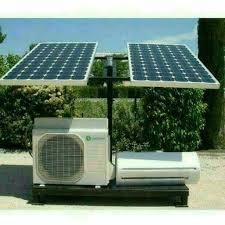
Load-shedding in Pakistan isn’t just an inconvenience—it disrupts work, studies, businesses, and daily life.
And let’s be honest… UPS systems and fuel generators are no longer practical in 2026 due to rising costs and inefficiency.
So what’s the smarter solution?
A solar-powered emergency kit for load-shedding.
Look, I get it, the upfront cost of solar is scary but building a compact solar emergency kit is one of the most affordable ways to achieve energy independence without installing a full rooftop system.
In this guide, I’ll show you exactly how to build a solar-powered emergency kit for load-shedding, tailored for Pakistani households using modern 2026 solar technology.
Why You Need a Solar Emergency Kit in Pakistan
Before we build it, let’s understand the problem.
Common Load-Shedding Issues
- 2–12 hours of daily outages
- UPS battery failure after 1–2 years
- High fuel cost for generators
- Voltage fluctuations damaging appliances
Here is the real talk about why your electricity bill isn’t coming down: even when power is available, inefficient backup systems waste energy and money.
What is a Solar Emergency Kit?
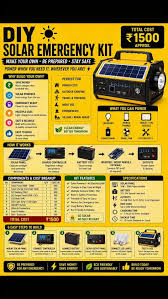
A solar emergency kit is a portable off-grid power system designed to run essential appliances during outages.
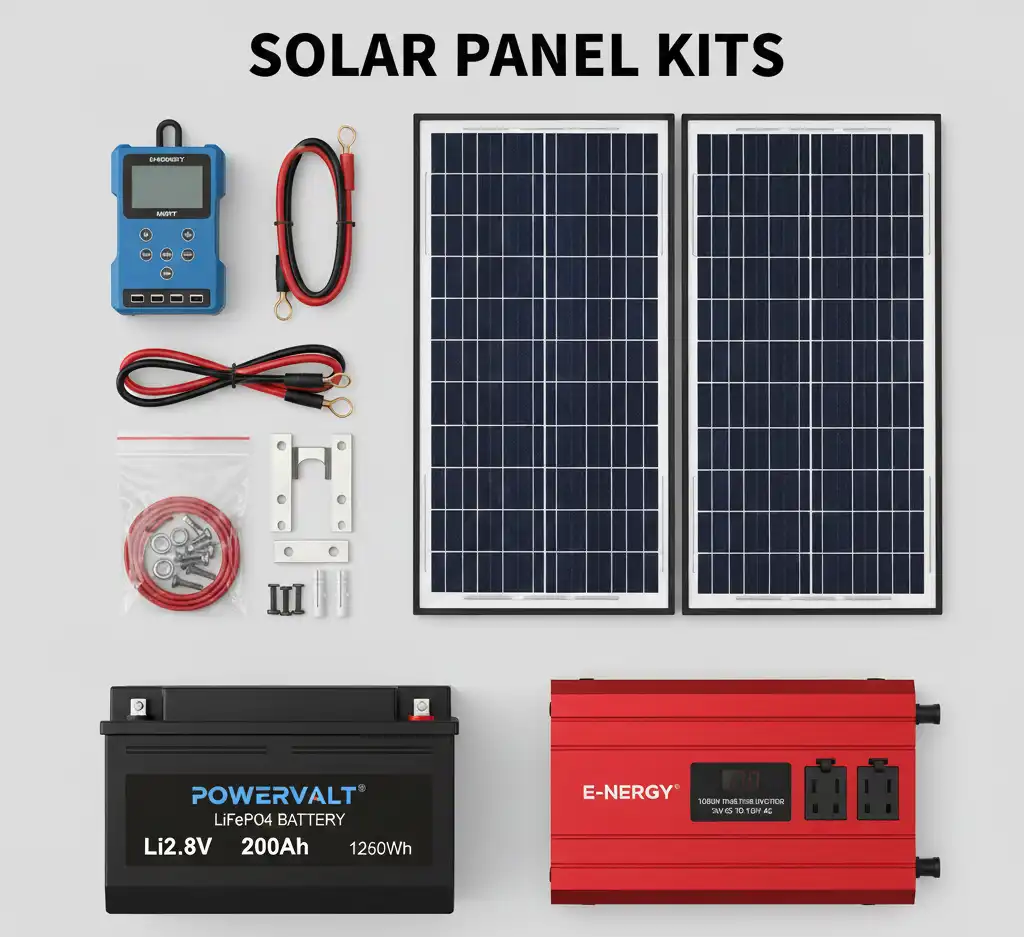
It typically includes:
- Solar panel (100W–1000W)
- Lithium batteries or LiFePO4 battery pack
- Inverter (pure sine wave recommended)
- Charge controller
- Basic wiring system
Think of it as a mini solar system designed for emergencies.
Types of Solar Emergency Kits
1. Basic Emergency Kit
- Powers fans, lights, mobile charging
- Low cost
- Easy setup
Best for: Small homes and apartments
2. Standard Kit
- Runs fans, LED lights, WiFi, TV
- Medium battery capacity
- Balanced performance
Best for: Middle-class households
3. Advanced Kit
- Supports fridge, multiple fans, electronics
- High-capacity Lithium batteries
- Smart monitoring
Best for: Elite homes or long outages
Comparison Table: Solar Emergency Kit vs UPS vs Generator
| Feature | Solar Kit | UPS System | Generator |
|---|---|---|---|
| Running Cost | Zero | Medium | High |
| Noise | Silent | Silent | Loud |
| Fuel Needed | No | No | Yes |
| Maintenance | Low | Medium | High |
| Lifespan | 10+ years | 2–3 years | 3–5 years |
Solar clearly wins in long-term efficiency.
Step-by-Step Guide: How to Build a Solar Emergency Kit
Now let’s break it down practically.
Step 1: Identify Your Power Needs
List essential appliances:
- Fans
- Lights
- Mobile charging
- WiFi router
Calculate total wattage.
Step 2: Choose Solar Panel Size
- 100W–300W → basic setup
- 500W–1000W → standard kit
- 1500W+ → advanced kit
More sunlight = better performance.
Step 3: Select Battery Type
Always prefer Lithium batteries in 2026:
- Longer lifespan
- Faster charging
- Higher efficiency
Avoid old lead-acid batteries if possible.
Step 4: Choose Inverter
- Pure sine wave inverter recommended
- Ensures safe appliance usage
- Better Inverter efficiency
Step 5: Install Charge Controller
- Prevents battery overcharging
- Maintains system health
- Essential for safety
Step 6: Connect System Properly
Basic flow:
Solar Panel → Charge Controller → Battery → Inverter → Appliances
Ensure correct polarity and secure wiring.
Step 7: Test System
- Check output voltage
- Test load capacity
- Monitor battery performance
Step 8: Optimize Usage
- Use heavy appliances during daylight
- Avoid unnecessary load at night
- Monitor energy consumption
Cost Breakdown in Pakistan (2026)
| Kit Type | Cost (PKR) |
|---|---|
| Basic Kit | 40,000 – 100,000 |
| Standard Kit | 120,000 – 300,000 |
| Advanced Kit | 300,000 – 800,000 |
Solar ROI Insight
Even small kits provide:
- Zero fuel cost
- Reduced UPS dependency
- Long-term savings
This is where your Solar ROI starts improving quickly.
How Solar Emergency Kits Improve Daily Life
1. No More UPS Failures
Say goodbye to dead batteries every 1–2 years.
2. Silent Operation
No noise pollution like generators.
3. Lower Electricity Dependency
Reduces grid load significantly.
4. Reliable Backup
Works even during long outages.
Common Mistakes to Avoid
Let me save you from costly errors:
- Undersizing your system
- Buying cheap inverters
- Ignoring battery quality
- Poor wiring installation
- No maintenence schedule
And the biggest mistake?
Expecting a small kit to power a full house.
Advanced Tips for 2026 Solar Emergency Systems
If you want better performance:
- Use MPPT charge controllers
- Integrate smart monitoring apps
- Upgrade to hybrid inverter system
- Add expandable battery banks
These upgrades improve efficiency dramatically.
Middle-Class vs Elite Strategy
Middle-Class Homes
- Basic or standard kit
- Focus on essential loads
- Budget-friendly setup
Elite Homes
- Advanced hybrid kit
- Full appliance backup
- Integration with rooftop solar
Both approaches are valid depending on needs.
How This Connects to Full Solar Systems
A solar emergency kit is often the first step toward:
- Full rooftop solar installation
- Net Metering systems
- Energy independence
Many users start small and gradually expand.
Final Thoughts: Stay Powered, Stay Independent
Load-shedding doesn’t have to control your life anymore.
A properly designed solar emergency kit gives you:
- Energy security
- Cost savings
- Peace of mind
And honestly, once you experience uninterrupted power, you’ll never want to go back.
At sunvolt.site, we help Pakistani households transition from unreliable grid power to smart, sustainable solar energy systems designed for real-life conditions.
Ready to Build Your Solar Emergency Kit?
Don’t wait for the next power outage.
Visit sunvolt.site today to:
- Design your solar emergency kit
- Calculate your Solar ROI
- Get expert consultation
Because in 2026, energy freedom isn’t a luxury—it’s a necessity.
Leave a Reply