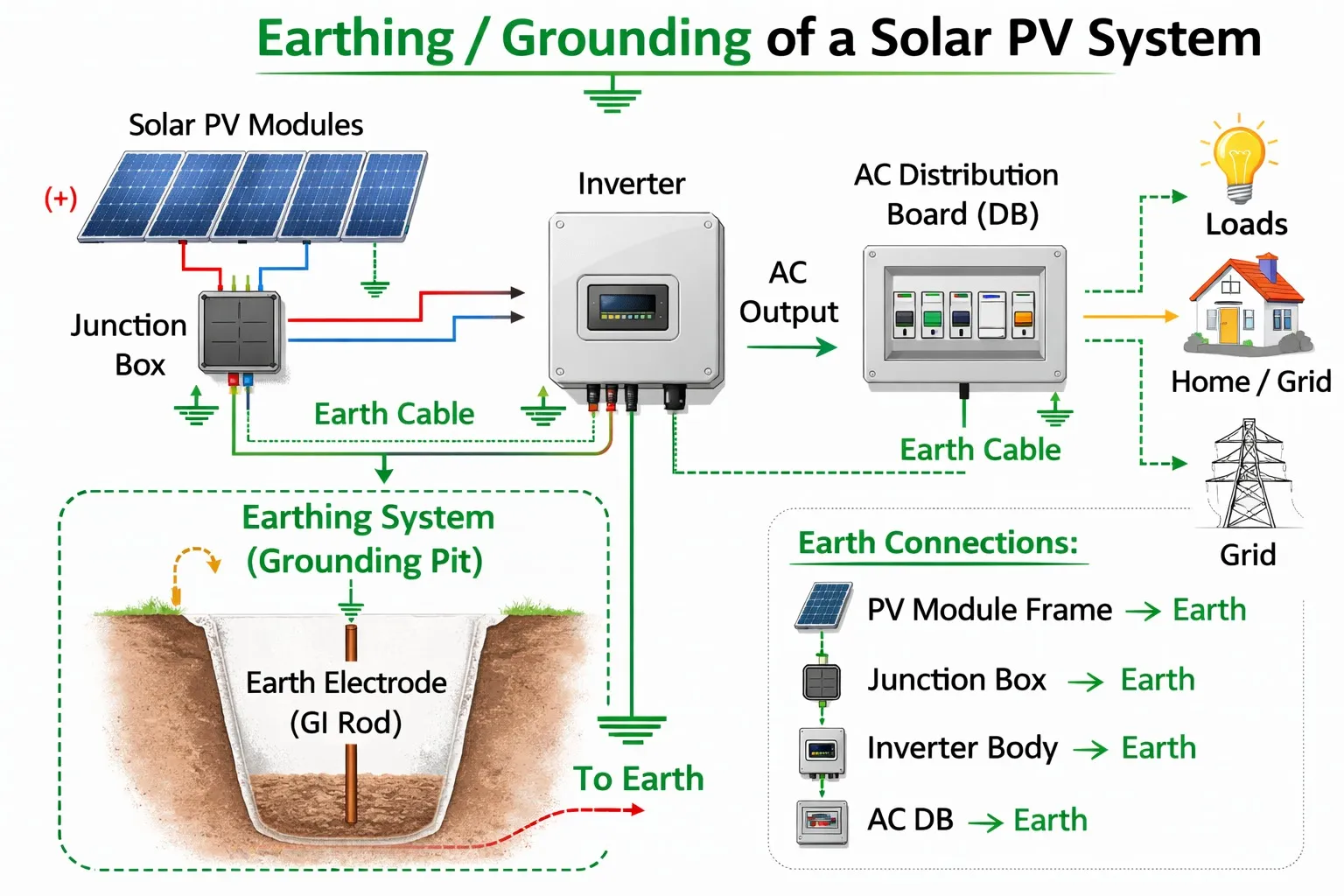
If you’re investing in solar energy in Pakistan, you’re already thinking smart. But here’s the real talk—most homeowners focus on panels, inverters, and batteries, and completely ignore one of the most critical safety components: earthing (grounding).
Look, I get it, the upfront cost of solar is scary but skipping proper grounding can cost you way more in the long run—equipment damage, electric shocks, and even fire hazards. This guide will walk you through how to ground (earthing) your solar system to prevent shocks, using the latest 2026 standards in Pakistan.
And yes, if your electricity bill isn’t going down or your system keeps tripping, poor earthing might be the hidden reason.
Why Earthing is Critical for Solar Systems in Pakistan
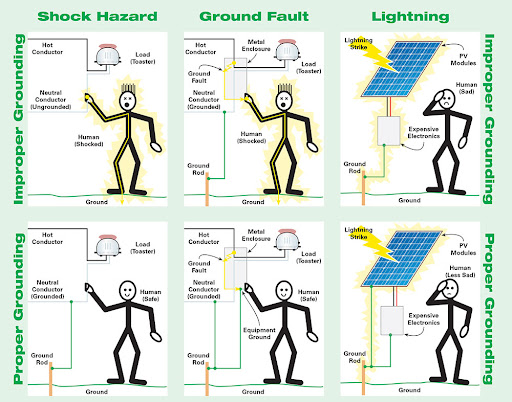
Solar systems operate with high DC voltages. Combine that with Pakistan’s unpredictable weather—dust storms, humidity, and lightning—and you’ve got a serious risk if your system isn’t grounded properly.
Key Benefits of Proper Earthing
- Prevents electric shocks to humans and animals
- Protects expensive equipment like inverters and Lithium batteries
- Reduces risk of fire due to leakage current
- Stabilizes system voltage and improves inverter efficiency
- Essential for safe Net Metering approval in Pakistan
In fact, DISCOs in Pakistan are getting stricter in 2026. Without proper earthing, your Net Metering application can get rejected.
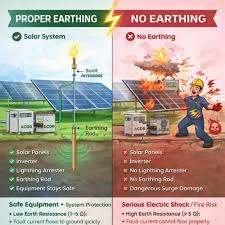
Types of Solar Systems & Earthing Requirements
Here’s a quick breakdown of how earthing differs across system types:
| System Type | Earthing Requirement | Risk Level Without Earthing | Typical Use |
|---|---|---|---|
| On-Grid | Mandatory (DC + AC + Lightning) | High | Urban homes |
| Off-Grid | Mandatory (Battery + DC) | Very High | Rural areas |
| Hybrid | Full earthing system required | Extremely High | Premium homes |
On-Grid Systems
Connected to WAPDA, these systems must comply with DISCO safety standards. Proper earthing ensures your inverter syncs safely with the grid.
Off-Grid Systems
Since these rely on batteries, improper grounding can damage your Lithium batteries and shorten their lifespan.
Hybrid Systems
These are the most advanced and expensive—so naturally, they need the most robust grounding proccess.
Types of Earthing Used in Solar Installations
Understanding earthing types helps you make better decisions:
1. Equipment Earthing
Grounding all metallic parts like panel frames and inverter body.
2. System Earthing
Connecting the electrical system (neutral or negative) to earth.
3. Lightning Protection Earthing
Using lightning arrestors to divert high voltage surges safely into the ground.
Step-by-Step Guide: How to Ground Your Solar System
Let’s break it down in simple, practical steps you can understand—even if you’re not an engineer.
Step 1: Site Assessment
Check soil resistivity. In Pakistan, clay soil is ideal, while dry sandy soil needs chemical earthing.
Tip: Faisalabad and Lahore areas usually have moderate soil resistance.
Step 2: Choose the Right Earthing Method
- Rod Earthing (most common)
- Plate Earthing
- Chemical Earthing (best for dry regions)
For middle-class homes, rod earthing is cost-effective and reliable.
Step 3: Install Earthing Rods
- Use copper-bonded rods (8–10 feet deep)
- Install at least 2–3 rods for a standard 5kW system
- Maintain proper spacing between rods (6–10 feet)
Step 4: Connect Components
Ensure all of these are grounded:
- Solar panels (frames)
- Inverter
- Distribution board
- Battery bank
Use high-quality copper wire (minimum 16mm² recommended).
Step 5: Install Lightning Arrestor
Especially important in Punjab where thunderstorms are common.
Mount it higher than solar panels and connect it directly to a separate earthing pit.
Step 6: Test Earth Resistance
Use an earth tester. Ideal resistance should be:
- Less than 5 ohms (acceptable)
- Less than 2 ohms (excellent)
If resistance is high, improve it with salt, charcoal, or chemical compounds.
Step 7: Regular Maintenence
Yes, earthing isn’t “install and forget.”
- Check connections every 6 months
- Refill water in earthing pits (if required)
- Inspect corrosion
Ignoring this step is where most systems fail over time.
Cost Analysis: Earthing in Pakistan (2026)
Here’s a realistic cost breakdown:
| Component | Estimated Cost (PKR) |
|---|---|
| Copper Earthing Rod | 6,000 – 12,000 |
| Earthing Wire | 3,000 – 8,000 |
| Installation Labor | 5,000 – 15,000 |
| Lightning Arrestor | 10,000 – 25,000 |
| Total Cost | 25,000 – 60,000 |
ROI Perspective
Let’s be honest—earthing doesn’t directly reduce your bill, but it protects your investment.
If your inverter (worth 300,000+ PKR) gets damaged due to poor grounding, you’re in trouble. So the ROI here is risk prevention, not direct savings.
Common Mistakes to Avoid
Here’s where most people mess up:
- Using cheap iron rods instead of copper
- Not grounding the inverter properly
- Ignoring lightning protection
- Poor wiring connections
- No periodic testing
And the biggest mistake? Thinking “it’s working fine” means everything is safe.
Earthing & Net Metering in Pakistan
In 2026, Net Metering regulations are stricter than ever.
DISCO inspections now include:
- Proper earthing system verification
- Lightning protection checks
- Inverter compliance
Without these, your application may get delayed or rejected.
So if you’re planning Net Metering, don’t treat earthing as optional.
Advanced Tips for Elite Homes
If you’re going for a premium solar setup:
- Use chemical earthing for long-term stability
- Install surge protection devices (SPDs)
- Use smart monitoring systems (apps like Growatt/Sunsynk)
- Integrate grounding with home automation safety systems
This is where your system becomes future-proof.
Final Thoughts: Safety First, Savings Follow
Here’s the honest truth—solar is not just about saving money. It’s about energy independence, safety, and long-term reliability.
Your panels might be top-tier. Your inverter might be high efficiency. But without proper grounding, your system is incomplete.
And honestly, this is one area where you should never try to cut costs.
At sunvolt.site, we guide homeowners across Pakistan to make smarter solar decisions—from installation to optimization and safety.
Ready to Go Solar the Right Way?
Don’t risk your investment or your family’s safety.
Visit sunvolt.site today to:
- Calculate your Solar ROI
- Get expert consultation
- Design a fully safe and optimized solar system
Because clean energy is the future—but only if it’s done right.
Leave a Reply