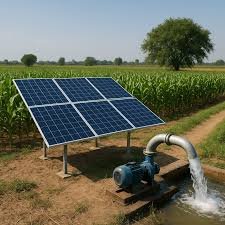
Water is life—especially in rural Pakistan where agriculture is the backbone of daily survival and income.
But here’s the harsh reality farmers face every day:
- Rising diesel prices
- Unreliable electricity supply
- Expensive generator maintenance
- Frequent load shedding
Now imagine this instead:
👉 A water pump that runs entirely on free sunlight.
Look, I get it, the upfront cost of solar is scary but once you switch to solar water pumping, your daily fuel and electricity costs can drop to almost zero.
In this expert guide, we’ll explain how to use solar energy to run a water pump in rural Pakistan, using 2026 solar technology, real agricultural use cases, and practical installation methods.
Why Solar Water Pumps Are Transforming Rural Pakistan


7
In rural areas, water pumping is one of the biggest energy expenses.
Traditional options include:
- Diesel pumps (expensive fuel)
- Grid electricity (unstable supply)
- Manual labor (inefficient and slow)
Solar pumps solve all three problems.
Key Benefits of Solar Water Pumps
- Zero fuel cost
- No electricity bills
- Low maintenance
- Long lifespan (15–25 years)
- Reliable irrigation during load shedding
Here is the real talk about why your farming costs aren’t going down: fuel dependency is the biggest hidden expense in agriculture.
How Solar Water Pump Systems Work
A solar water pumping system uses:
- Solar panels (energy generation)
- Solar inverter or controller
- DC/AC water pump
- Water storage or direct irrigation system
The system converts sunlight into electricity that powers the pump directly.
Types of Solar Water Pump Systems
1. DC Solar Water Pumps (Most Efficient)


7
- Direct solar operation
- No inverter required
- High efficiency
- Ideal for small farms
2. AC Solar Water Pumps


6
- Works with standard pumps
- Requires inverter
- Suitable for medium farms
3. Hybrid Solar Pump Systems


6
- Solar + grid or diesel backup
- Reliable in all conditions
- Higher cost but maximum flexibility
Comparison Table: Solar vs Diesel Water Pumps
| Feature | Solar Pump | Diesel Pump |
|---|---|---|
| Fuel Cost | Zero | High ongoing cost |
| Maintenance | Low | High |
| Noise | Silent | Loud |
| Environment | Clean | Polluting |
| ROI | 2–4 years | Continuous expense |
| Reliability | High (sunlight dependent) | Fuel dependent |
Step-by-Step Guide: How to Use Solar Energy to Run a Water Pump
Let’s break it down in simple terms.
Step 1: Calculate Water Requirements
You need to know:
- Depth of water table
- Daily water requirement
- Crop irrigation needs
This determines pump size.
Step 2: Choose the Right Pump Type
- Small farms → DC pump
- Medium farms → AC pump
- Large farms → Hybrid system
Step 3: Design Solar System Size
Typical sizing:
- 1 HP pump → 800W–1200W solar
- 2 HP pump → 1600W–2400W solar
- 5 HP pump → 4000W+ system
Step 4: Install Solar Panels
- Place panels facing south
- Avoid shading
- Clean installation for maximum output
Step 5: Install Pump System
- Borewell or surface pump connection
- Proper piping setup
- Secure electrical wiring
Step 6: Connect Controller/Inverter
- Regulates energy flow
- Protects pump from overload
- Optimizes performance
Step 7: Test System Operation
- Check water flow rate
- Monitor pressure levels
- Ensure smooth startup
Step 8: Maintenance Routine
- Clean solar panels monthly
- Check wiring annually
- Inspect pump every 6–12 months
Yes, proper maintenence is simple but important.
Cost Breakdown in Pakistan (2026)
| System Size | Cost Range (PKR) |
|---|---|
| 1–2 HP System | 250,000 – 600,000 |
| 3–5 HP System | 600,000 – 1.5M |
| Large Farm Systems | 1.5M – 4M+ |
Solar ROI for Farmers
Solar water pumps provide one of the fastest returns in agriculture.
- Payback period: 2–4 years
- Fuel savings: up to 100%
- Long-term profit increase
This directly improves farm productivity and income stability.
Net Metering vs Off-Grid Solar Pumps
While Net Metering is mainly for homes and businesses, it indirectly benefits rural solar systems:
- Excess energy can support other loads
- Hybrid systems can connect to grid in some areas
- Reduces dependency on diesel backup
Common Mistakes Farmers Make
Let’s keep it real—these mistakes are costly:
- Oversizing or undersizing the pump
- Ignoring water depth calculation
- Poor panel placement
- Buying low-quality controllers
- Not planning seasonal water variation
And the biggest mistake?
Thinking solar pumps only work in full sunlight—modern systems can still operate efficiently in partial sunlight conditions.
Advanced 2026 Improvements in Solar Pump Technology
1. Smart Pump Controllers
- Automatic flow control
- Dry-run protection
- Energy optimization
2. High-Efficiency Panels
- Better performance in heat
- Higher watt output per panel
3. IoT Monitoring Systems
- Mobile tracking
- Remote diagnostics
- Water usage analytics
Rural vs Commercial Applications
Small Farmers
- Basic DC systems
- Low maintenance focus
- Cost-sensitive setup
Large Agricultural Lands
- High-capacity AC or hybrid systems
- Automated irrigation integration
- Storage tanks for continuous supply
Environmental Benefits
Solar water pumping also contributes to:
- Reduced carbon emissions
- Lower groundwater stress (optimized pumping)
- Sustainable farming practices
Final Thoughts: Solar Water Pumps Are Changing Agriculture
The future of farming in Pakistan depends on one thing:
👉 Energy independence
And solar water pumps are the most practical step toward that future.
They reduce costs, improve reliability, and increase agricultural productivity without ongoing fuel dependency.
At sunvolt.site, we help farmers and rural communities transition to affordable solar solutions designed specifically for Pakistan’s climate and agricultural needs.
Ready to Upgrade Your Farming System?
Don’t let diesel costs control your income.
Visit sunvolt.site today to:
- Design your solar water pumping system
- Calculate your agricultural savings
- Get expert consultation for rural solar solutions
Because in 2026, smart farming isn’t just about crops—it’s about smart energy choices.
Leave a Reply