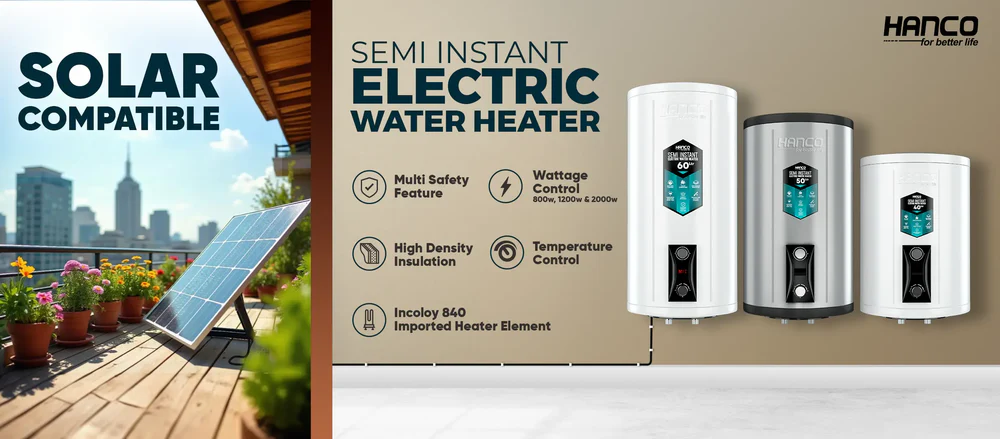
Winter in Pakistan brings one unavoidable reality—hot water becomes a daily necessity, not a luxury.
But here’s the problem most households don’t calculate properly: water heating is one of the biggest hidden electricity expenses in the home.
So the real question is:
👉 Should you use a solar water heater or stick with an electric geyser?
Look, I get it, the upfront cost of solar is scary but when you compare lifetime costs, maintenance, and energy usage, the difference becomes very clear.
In this expert guide, we’ll break down Solar Water Heater vs Electric Geyser: Which is cheaper in the long run?, using real-world Pakistani energy conditions and 2026 solar technology insights.
Understanding the Two Systems
Before comparing costs, let’s understand how both systems work.
What is a Solar Water Heater?


6
A solar water heater uses sunlight to heat water through:
- Vacuum tubes or flat plate collectors
- Insulated storage tank
- Natural heat circulation
No electricity is needed in most cases.
What is an Electric Geyser?


5
An electric geyser uses:
- Heating element (resistance coil)
- Electricity from grid or solar inverter
- Storage tank (in some models)
It heats water instantly or stores it for later use.
Key Difference in Simple Terms
- Solar water heater = uses sunlight (free energy)
- Electric geyser = uses grid electricity (paid energy)
Here is the real talk about why your electricity bill isn’t coming down: water heating alone can consume 15–25% of a household’s monthly electricity usage.
Cost Comparison (Pakistan 2026)
Let’s break it down properly.
Installation Cost
| System | Initial Cost |
|---|---|
| Solar Water Heater | 80,000 – 250,000 PKR |
| Electric Geyser | 15,000 – 60,000 PKR |
Electric geyser is cheaper upfront—but that’s where the advantage ends.
Monthly Running Cost
| System | Monthly Cost |
|---|---|
| Solar Water Heater | Almost Zero |
| Electric Geyser | 3,000 – 12,000 PKR |
10-Year Cost Estimate
| System | Total Cost (10 Years) |
|---|---|
| Solar Water Heater | 100K – 300K (mostly upfront) |
| Electric Geyser | 400K – 1.2M PKR |
Comparison Table: Solar Water Heater vs Electric Geyser
| Feature | Solar Water Heater | Electric Geyser |
|---|---|---|
| Energy Source | Solar | Electricity |
| Monthly Cost | Zero | High |
| Efficiency | High in sunlight | Consistent |
| Maintenance | Low | Medium |
| Lifespan | 10–20 years | 3–7 years |
| Net Metering Impact | Indirect savings | High grid load |
How Solar Water Heaters Save Money
1. Zero Electricity Consumption
No grid usage = no monthly bill increase.
2. No Fuel or Gas Dependency
Unlike gas geysers, solar systems are fully independent.
3. Long Lifespan
Vacuum tube systems last up to 15–20 years.
4. Stable Performance in Pakistan
Even winter sunlight is enough in most regions.
Limitations of Solar Water Heaters
Let’s be honest—no system is perfect.
- Less efficient on cloudy days
- Higher upfront cost
- Requires roof space
- Water temperature depends on weather
But these are minor compared to long-term savings.
Electric Geyser Problems in Pakistan
1. High Electricity Bills
Geysers are one of the most energy-hungry appliances.
2. Load Shedding Issues
No electricity = no hot water.
3. Voltage Fluctuations
Can damage heating elements.
4. Short Lifespan
Frequent replacement needed.
Step-by-Step Guide: Choosing the Right System
Let’s simplify your decision.
Step 1: Analyze Your Usage
Ask yourself:
- Family size
- Daily hot water usage
- Winter dependency
Step 2: Check Roof Space
Solar systems need:
- 30–60 sq. ft. minimum
- Direct sunlight exposure
Step 3: Evaluate Budget
- Short-term budget → Electric geyser
- Long-term savings → Solar water heater
Step 4: Consider Hybrid Setup
Some modern homes combine both:
- Solar water heater for daytime
- Electric backup for emergencies
Step 5: Installation Planning
- Proper angle (towards sun)
- Insulated piping
- Safety valves
Solar ROI Analysis (Important Insight)
Even though solar water heaters are not part of Net Metering, they still contribute to:
- Reduced household electricity demand
- Lower inverter load
- Better Solar ROI for full home systems
If you already have a solar system:
👉 Removing geyser load = better inverter efficiency + lower battery usage
Middle-Class vs Elite Household Strategy
Middle-Class Homes
- One solar water heater
- Replace electric geyser completely
- Focus on long-term savings
Elite Homes
- Hybrid water heating systems
- Multiple bathrooms + backup electric geysers
- Integrated with full solar setup
Common Mistakes to Avoid
Let’s keep it real—people waste money due to simple mistakes:
- Buying undersized solar heaters
- Ignoring roof orientation
- Poor pipe insulation
- Not considering water pressure
- No maintenence schedule
And the biggest mistake?
Thinking electric geysers are cheaper because they are cheaper to buy.
Advanced 2026 Solar Water Heating Trends
Modern systems now include:
- Smart temperature sensors
- Anti-freeze protection
- High-efficiency vacuum tubes
- Hybrid backup integration
These upgrades improve performance even in winter fog conditions.
Final Verdict: Which is Cheaper in the Long Run?
Let’s be clear:
✔ Short Term (1–2 years)
Electric geyser seems cheaper
✔ Long Term (5–15 years)
Solar water heater is significantly cheaper
👉 Winner: Solar Water Heater
Final Thoughts: Think Beyond Monthly Bills
In Pakistan’s energy landscape, the smartest decision is not what you pay today—but what you save tomorrow.
And honestly, once you install a solar water heater, you stop worrying about winter electricity spikes altogether.
At sunvolt.site, we help homeowners make informed renewable energy decisions—from solar systems to complete home efficiency upgrades.
Ready to Cut Your Energy Costs?
Don’t let electricity bills control your winter expenses.
Visit sunvolt.site today to:
- Compare solar solutions
- Calculate your long-term savings
- Get expert consultation for your home setup
Leave a Reply