
Government
If you are planning to install solar in Pakistan in 2026, there is one question almost every homeowner asks first:
“Are there any government subsidies for solar energy in Pakistan?”
Look, I get it. The upfront cost of solar systems is still a big decision for middle-class families and even business owners. But the good news is that Pakistan’s energy policy direction in 2026 is strongly shifting toward renewable energy support, net metering expansion, and indirect solar incentives.
In this guide from sunvolt.site, I will break down exactly how government subsidies for solar energy in Pakistan work, how to apply for them, and how to maximize your savings legally and efficiently.
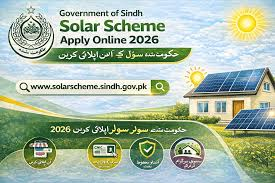
Understanding Government Solar Subsidies in Pakistan (2026 Reality)
First, let’s clear a common misunderstanding.
In 2026, Pakistan does not always offer direct cash subsidies for residential solar systems at a large national scale. Instead, support comes in different forms:
- Net Metering credits (major financial benefit)
- Tax relief on solar equipment (in some cases)
- Financing schemes via banks and development programs
- Duty exemptions on imported solar components (periodic policy-based)
- Provincial-level renewable energy initiatives
So when people search for “subsidy,” what they really get value from is reduced system cost + long-term electricity bill savings.
Here is the real talk about why your electricity bill isn’t coming down: the grid cost is increasing faster than household income, so solar becomes less of an option and more of a financial strategy.
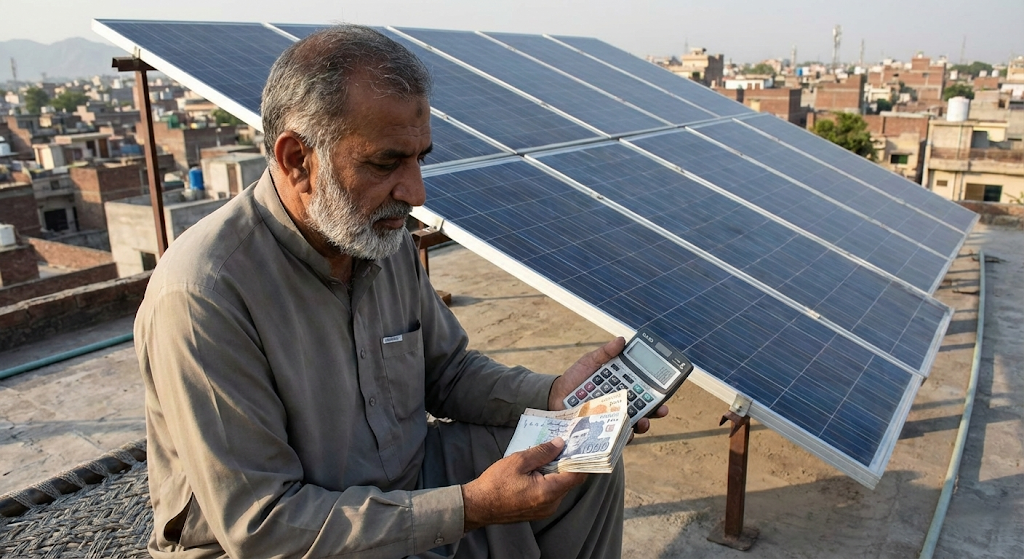
Types of Solar Financial Support Available in Pakistan 2026
1. Net Metering Benefits (Most Important)
Net Metering is not a subsidy, but financially it behaves like one.
You:
- Generate solar electricity
- Export extra units to the grid
- Receive bill credits
This alone can reduce electricity bills by 60% to 90% depending on system size.
2. Import Duty Adjustments on Solar Equipment
Government policies occasionally reduce or adjust duties on:
- Solar panels
- Inverters
- Lithium batteries
This directly reduces installation cost for homeowners.
3. Bank Financing and Green Loans
Many Pakistani banks now offer:
- Solar installment plans
- Green energy loans
- Low-interest financing for renewable systems
This is a major enabler for middle-class households who cannot pay upfront.
4. Provincial Renewable Energy Programs
Some provinces periodically introduce:
- Pilot solar programs
- Agricultural solar tube-well support
- Small business solar incentives
These are not always nationwide but can significantly reduce cost for eligible users.
Comparison Table: Solar System Types in Pakistan 2026
| System Type | Subsidy Benefit | Net Metering | Cost Level | Best Use Case |
|---|---|---|---|---|
| On-Grid System | High indirect benefit | Yes | Medium | Urban homes |
| Off-Grid System | No subsidy benefit | No | Medium-High | Rural areas |
| Hybrid System | Partial benefit | Limited | High | Backup-focused users |
In Pakistan’s current market, on-grid systems are the most financially optimized choice due to net metering.
Step-by-Step Guide: How to Apply for Solar Subsidy Benefits in Pakistan 2026
Now let’s simplify the actual process so you can start saving money.
Step 1: Assess Your Electricity Usage
Before anything:
- Check your monthly bill units (kWh)
- Identify peak usage months
- Understand load pattern
This step is often ignored, but it determines your system size and ROI.
Step 2: Choose the Right Solar System
Based on your consumption:
- 3–5 kW → Small homes
- 5–10 kW → Medium households
- 10–20 kW → Large homes or businesses
Inverter efficiency plays a big role here, so always choose certified brands.
Step 3: Check Eligibility for Net Metering
To benefit from government-supported solar structure:
- You must have a grid connection
- System must be installed by licensed vendor
- Equipment must meet NEPRA-approved standards
Step 4: Apply for Net Metering Approval
You submit documents to your electricity provider:
- CNIC copy
- Latest electricity bill
- Installation details
- System inspection request
This is where many applications slow down due to incorrect paperwork proccess.
Step 5: Install Certified Solar System
Installation must be done carefully:
- Proper wiring
- Safe earthing
- Approved inverter configuration
- Correct panel alignment
Do not try DIY electrical installation unless you are certified.
Step 6: Inspection and Meter Installation
Utility company will:
- Inspect system safety
- Check compliance
- Install bi-directional meter
Once installed, your system is activated for net metering credits.
ROI (Return on Investment) Analysis for Solar in Pakistan 2026
| System Size | Average Cost (PKR) | Monthly Savings | Payback Period |
|---|---|---|---|
| 5 kW | 900,000 – 1.2M | 15,000 – 22,000 | 3–4 years |
| 10 kW | 1.8M – 2.4M | 30,000 – 45,000 | 3–5 years |
| 15 kW | 2.8M – 3.6M | 50,000 – 70,000 | 3–6 years |
Important note: These are estimated values. Real ROI depends on weather, usage habits, and tariff changes.
Common Mistakes People Make (Very Important)
I’ve seen hundreds of solar users lose money due to simple mistakes:
- Choosing cheap, non-certified equipment
- Oversizing or undersizing system
- Ignoring battery compatibility
- Not checking warranty terms properly
- Assuming subsidies will cover full system cost
One small mistake can reduce your ROI significantly.
How Lithium Batteries Improve System Efficiency
In 2026, lithium batteries are becoming standard in Pakistan’s solar market.
Benefits:
- Longer lifespan
- Faster charging
- Higher efficiency
- Less maintenence compared to older battery types
However, they increase upfront cost, so proper planning is necessary.
Are Government Solar Subsidies in Pakistan Enough?
Honestly, direct subsidies are limited, but indirect support is strong:
- Net metering reduces bill impact dramatically
- Financing options reduce upfront burden
- Import duty policies lower system cost
So instead of waiting for a “cash subsidy,” smart users focus on system design optimization.
Why Most People Fail to Maximize Solar Savings
Here is the truth many installers don’t explain:
- Poor system design reduces efficiency
- Incorrect usage habits increase grid dependency
- Wrong inverter selection lowers output
Here is the real talk about why your electricity bill isn’t coming down even after solar: system mismatch.
sunvolt.site Perspective: Smarter Energy Decisions
At sunvolt.site, we focus on helping Pakistani households:
- Understand real solar economics
- Avoid installation mistakes
- Maximize net metering benefits
- Transition toward energy independence
We believe solar is not just a technology—it is a long-term financial strategy.
Final Thoughts
Government subsidies for solar energy in Pakistan 2026 are not always direct cash incentives, but when combined with net metering, financing options, and tax relief structures, they create a powerful financial opportunity.
If you plan it properly, solar energy can reduce your electricity dependency by more than half and stabilize long-term energy costs.
Call to Action
If you are serious about reducing your electricity bills and want to know exactly how much you can save with solar in your home or business, visit sunvolt.site.
You can calculate your solar ROI, explore net metering options, and connect with expert guidance tailored for Pakistan’s latest 2026 energy policies.
Take the first step today toward lower bills, energy independence, and a greener future for Pakistan.
Leave a Reply