If you already have a solar system installed, first of all—good decision. But if your electricity bills are still higher than expected or your usage has increased, you’re probably wondering: should I upgrade my system with more panels?
Short answer: Yes… but only if you do it the right way.
Look, I get it, the upfront cost of solar is scary but expanding your system is often much cheaper than starting from scratch. And in 2026, with rising electricity tariffs in Pakistan, upgrading your system can dramatically improve your Solar ROI.
In this expert guide, I’ll show you exactly how to upgrade your existing solar system with more panels, without damaging your inverter, violating Net Metering rules, or wasting money
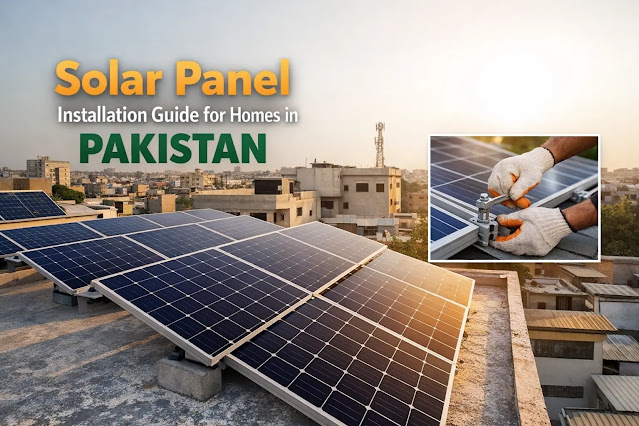
Why Upgrade Your Solar System?
Let’s start with the basics.
Common Reasons Homeowners Upgrade
- Increased electricity usage (ACs, EVs, appliances)
- Adding Lithium batteries for backup
- Underperforming initial system design
- Wanting faster ROI and lower bills
- Planning for Net Metering expansion
Here is the real talk about why your electricity bill isn’t coming down: your system might simply be too small for your current load.

Can You Add More Panels to Any Solar System?
Not always. This is where most people make mistakes.
Key Factors You Must Check
1. Inverter Capacity
Your inverter has a maximum input capacity.
- Example: A 5kW inverter can typically handle 6.5–7kW of panels (oversizing allowed)
- Exceeding this limit can reduce inverter efficiency or damage it
2. MPPT Range
Modern inverters have MPPT (Maximum Power Point Tracking).
- New panels must match voltage/current limits
- Mismatched panels = poor performance
3. Roof Space & Orientation
More panels need:
- Proper sunlight exposure
- Same tilt and direction ideally
4. Net Metering Limits (Pakistan 2026)
If you’re on Net Metering:
- You cannot exceed your approved system size without re-approval
- DISCO inspection is required for upgrades
Ignore this, and your Net Metering can get suspended.
Types of System Upgrades
1. Simple Panel Addition
Best for systems with unused inverter capacity.
- Add panels to existing strings
- Cost-effective
- Minimal changes required
2. Parallel Expansion
If inverter is near capacity:
- Add new string on separate MPPT
- Better performance
3. Inverter Upgrade
If your system is maxed out:
- Replace inverter with higher capacity
- Allows major expansion
4. Hybrid Upgrade
Convert on-grid system into hybrid:
- Add Lithium batteries
- Increase panels for backup support
Comparison Table: Upgrade Options
| Upgrade Type | Cost | Complexity | Best For |
|---|---|---|---|
| Panel Addition | Low | Easy | Small upgrades |
| Parallel Expansion | Medium | Moderate | Balanced systems |
| Inverter Upgrade | High | Complex | Large homes |
| Hybrid Conversion | Very High | Advanced | Elite users |
Step-by-Step Guide: How to Upgrade Your Solar System
Now let’s get practical.
Step 1: Analyze Your Current System
Check:
- Inverter capacity
- Current panel wattage
- Daily generation vs usage
If your system is already maxed out, adding panels won’t help.
Step 2: Calculate Additional Capacity Needed
Example:
- Current system: 5kW
- Required load: 8kW
You need at least 3kW additional panels.
Step 3: Check Inverter Compatibility
- Verify max DC input
- Check MPPT voltage range
- Confirm spare capacity
If not compatible, consider inverter upgrade.
Step 4: Choose the Right Panels
Don’t mix random panels.
- Use similar wattage (e.g., 550W with 550W)
- Match voltage and current ratings
- Prefer same brand if possible
Mixing panels incorrectly reduces efficiency—big mistake.
Step 5: Design the New Layout
- Maintain proper string configuration
- Balance load across MPPTs
- Ensure no shading issues
Step 6: Upgrade Protection Systems
Adding panels = higher risk.
- Upgrade earthing
- Install surge protection devices
- Check wiring capacity
Most people ignore this and regret it later.
Step 7: Update Net Metering (If Applicable)
- Apply for load enhancement
- Submit updated system design
- Wait for DISCO approval
Yes, it’s a bit of paperwork—but necessary.
Step 8: Installation & Testing
- Professional installation recommended
- Test voltage, current, and output
- Monitor inverter performance
Step 9: Monitor Performance
Use mobile apps (Growatt, Sunsynk):
- Track generation
- Identify faults
- Optimize usage
This is where smart users win.
Cost Breakdown for Upgrading (Pakistan 2026)
Here’s what you can expect:
| Upgrade Size | Estimated Cost (PKR) |
|---|---|
| 1kW Addition | 120,000 – 180,000 |
| 3kW Addition | 350,000 – 500,000 |
| Inverter Upgrade | 200,000 – 600,000 |
| Hybrid Conversion | 500,000 – 1,500,000 |
Solar ROI Impact
Upgrading your system can:
- Reduce payback period
- Increase monthly savings
- Improve energy independence
But only if done correctly.
Common Mistakes to Avoid
Let me save you from costly errors:
- Overloading your inverter
- Mixing incompatible panels
- Ignoring Net Metering rules
- Poor wiring upgrades
- No system rebalancing
And honestly, the biggest mistake? Trying to DIY without proper knowledge.
Advanced Tips for Maximum Efficiency
If you want next-level performance:
- Use high-efficiency Tier-1 panels (2026 models)
- Optimize tilt angle for Pakistan’s latitude
- Integrate battery storage
- Use AI-based monitoring systems
- Install cleaning systems for dust control
These small upgrades can significantly boost your output.
Middle-Class vs Elite Upgrade Strategy
Middle-Class Homes
- Focus on panel addition
- Avoid unnecessary inverter upgrade
- Maximize ROI
Elite Homes
- Go hybrid
- Add Lithium batteries
- Install smart energy management systems
Your strategy should match your budget and goals.
Final Thoughts: Upgrade Smart, Not Just Bigger
Adding more panels sounds simple—but it’s actually a technical proccess that requires planning.
If done right, you can:
- Cut your electricity bills drastically
- Improve system efficiency
- Increase long-term Solar ROI
If done wrong, you can damage your system and waste money.
At sunvolt.site, we specialize in helping Pakistani homeowners upgrade their solar systems the right way—safe, efficient, and future-ready.
Ready to Expand Your Solar Power?
Don’t let rising electricity bills control your budget.
Visit sunvolt.site today to:
- Calculate your upgrade potential
- Get expert consultation
- Design a high-efficiency solar expansion plan
Because your solar journey doesn’t end with installation—it evolves with your needs.