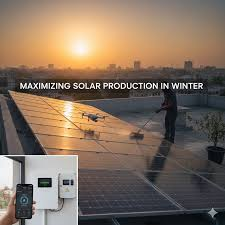
If you’ve noticed your solar system producing less electricity during winter, you’re not alone. Almost every solar owner in Pakistan asks this question at some point: “Why is my solar production low in winter?”
Look, I get it, the upfront cost of solar is scary but what’s even more frustrating is seeing your system underperform when you need it most.
Here is the real talk about why your electricity bill isn’t coming down in winter: your system isn’t broken—it’s seasonal physics combined with a few avoidable mistakes.
In this complete guide, I’ll explain the reasons behind low solar production in winter and show you practical fixes to improve performance using 2026 solar technology.
Understanding Seasonal Solar Output in Pakistan
Before we jump into problems, let’s set expectations.
In Pakistan:
- Summer production = 100% (peak)
- Winter production = 50% to 70% (normal)
So yes, some drop is completely normal. But if your system is producing way below this range, something is wrong.
Main Reasons Why Solar Production Drops in Winter
1. Shorter Daylight Hours
Winter days are shorter.
- Less sunlight = less energy generation
- Peak sunlight duration drops by 2–4 hours
This alone can reduce your output significantly.
2. Low Sun Angle
In winter, the sun sits lower in the sky.
- Panels receive sunlight at a less optimal angle
- Reduced intensity hitting your panels
If your panels are fixed at summer tilt, winter performance drops even more.
3. Fog, Smog & Cloud Cover
In cities like Lahore and Faisalabad:
- Heavy smog blocks sunlight
- Fog reduces solar irradiance
- Cloud cover diffuses energy
This is one of the biggest reasons for low production in Punjab.
4. Dust & Dirt Accumulation
Winter cleaning is often ignored.
- Dust layers block sunlight
- Bird droppings reduce panel efficiency
Even a thin layer can reduce output by 10–20%.
5. Inverter Efficiency Issues
Cold weather itself is good for panels, but:
- Poor inverter settings
- Old firmware
- MPPT inefficiencies
These can reduce your system’s overall performance.
6. Battery Charging Losses (Hybrid Systems)
If you’re using Lithium batteries:
- More energy goes into charging batteries
- Less energy exported to grid
So your Net Metering credits may look lower.
7. Shading Problems
Winter sun angle creates new shadows:
- Nearby buildings
- Trees
- Water tanks
Even partial shading can drop output drastically.
Comparison Table: Seasonal Performance Impact
| Factor | Summer Impact | Winter Impact |
|---|---|---|
| Sunlight Hours | High | Low |
| Sun Angle | Optimal | Weak |
| Weather | Clear | Fog/Smog |
| Panel Efficiency | Good | Slightly better |
| Overall Output | Maximum | Reduced |
Step-by-Step Fixes to Improve Winter Solar Production
Now let’s fix the problem.
Step 1: Clean Your Panels Regularly
This is the easiest win.
- Clean panels every 10–15 days
- Use soft water and cloth
- Avoid harsh chemicals
Dirty panels = guaranteed losses.
Step 2: Adjust Panel Tilt (If Possible)
Ideal winter tilt in Pakistan:
- Increase angle by 10–15 degrees
This helps capture more sunlight.
If your system is fixed, consider adjustable mounting in future upgrades.
Step 3: Check for Shading
Inspect during morning and evening:
- Remove obstacles
- Trim trees
- Relocate objects
Even small shadows can kill performance.
Step 4: Monitor Your Inverter
Use mobile apps (Growatt, Sunsynk):
- Check daily generation
- Identify faults
- Monitor MPPT performance
Sometimes your inverter settings need optimization.
Step 5: Optimize Energy Usage
Use electricity smartly:
- Run heavy appliances during sunlight hours
- Reduce reliance on batteries
This improves overall Solar ROI.
Step 6: Upgrade System (If Needed)
If your system is undersized:
- Add more panels
- Upgrade inverter
- Improve wiring
Winter exposes weak system designs.
Step 7: Check Net Metering Performance
In winter:
- Export units decrease
- Import from grid increases
This is normal—but excessive difference indicates inefficiency.
Step 8: Professional System Inspection
If nothing works:
- Get system checked
- Test wiring and connections
- Verify earthing
Sometimes the issue is hidden.
Cost vs Benefit: Winter Optimization ROI
| Upgrade | Cost (PKR) | Benefit |
|---|---|---|
| Panel Cleaning | 2,000 – 5,000 | +10–20% output |
| Tilt Adjustment | 10,000 – 30,000 | +5–15% output |
| Monitoring Setup | 5,000 – 20,000 | Better control |
| Panel Expansion | 120,000+ | Long-term gain |
Real ROI Insight
Small improvements can significantly boost winter performance without major investment.
Middle-Class vs Elite Strategy
Middle-Class Homes
- Focus on cleaning and optimization
- Avoid expensive upgrades
- Maximize existing system
Elite Homes
- Install adjustable mounts
- Add extra panels
- Use AI-based monitoring
Your approach should match your budget.
Common Mistakes Homeowners Make
Let’s be honest—most issues are self-created:
- Ignoring panel cleaning
- Expecting summer-level output in winter
- Poor system design
- Not monitoring inverter data
- Delaying maintenence
And the biggest one?
Thinking your system is faulty when it’s just seasonal variation.
Advanced Tips for 2026 Solar Systems
If you want next-level performance:
- Use bifacial solar panels (better in low light)
- Install anti-soiling coatings
- Use high-efficiency inverters
- Integrate smart energy management systems
These technologies are becoming more common in Pakistan.
Final Thoughts: Winter is a Test, Not a Failure
Your solar system isn’t failing—it’s adapting to seasonal conditions.
But with the right steps, you can:
- Minimize production loss
- Improve efficiency
- Maintain strong Solar ROI
At sunvolt.site, we help homeowners across Pakistan understand, optimize, and future-proof their solar systems for every season.
Ready to Maximize Your Solar Output?
Don’t let winter reduce your savings.
Visit sunvolt.site today to:
- Analyze your system performance
- Get expert recommendations
- Upgrade your solar setup the smart way
Because solar isn’t just about summer savings—it’s about year-round energy independence.
Leave a Reply