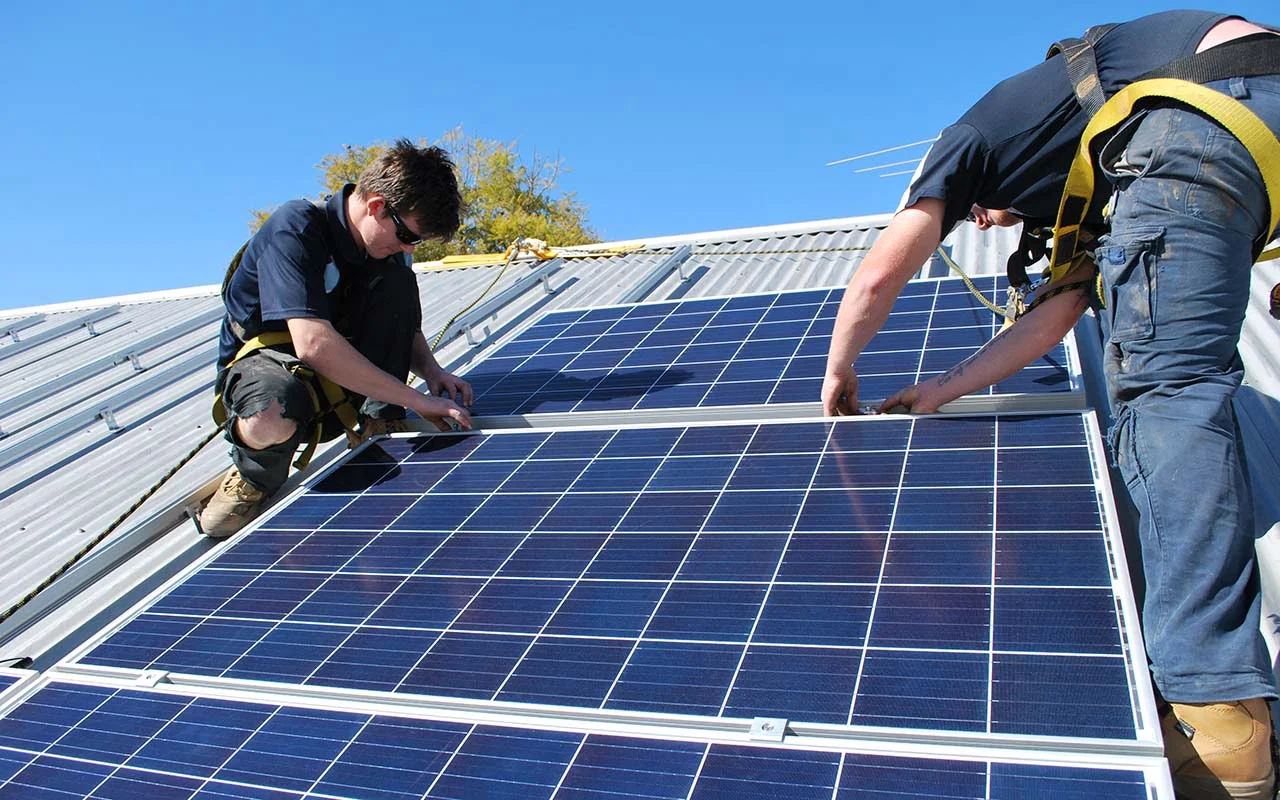
If your house has a slanted tin roof (sheet roof), you might be thinking: “Can I even install solar panels on this?”
Short answer: Yes—you absolutely can. And in many cases, it’s actually easier and more cost-effective than concrete roofs.
But here’s the catch… installation must be done properly. One wrong screw or poor mounting and you could face leaks, structural damage, or reduced system performance.
Look, I get it, the upfront cost of solar is scary but a well-installed system on a tin roof can deliver excellent Solar ROI—especially in Pakistan where sunlight is abundant.
In this guide, I’ll walk you through exactly how to install solar panels on a slanted tin roof, using modern 2026 techniques that ensure safety, durability, and maximum output.
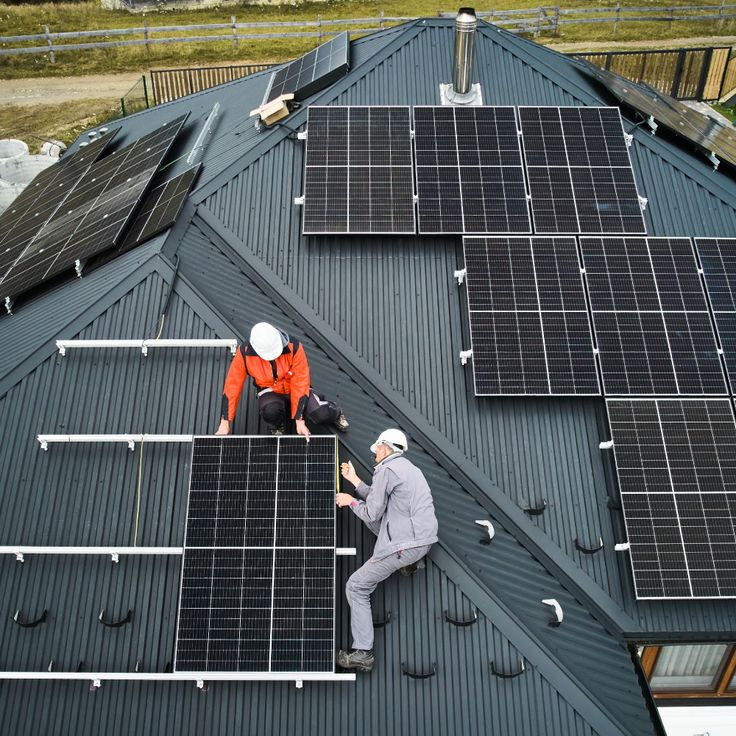
Why Tin Roofs Are Actually Good for Solar
Most homeowners underestimate tin roofs. But from an expert perspective:
Advantages of Tin Roof Installations
- Lightweight structure (less load stress)
- Natural tilt already present
- Faster installation compared to RCC roofs
- Lower mounting costs
- Better airflow (cooler panels = higher efficiency)
Challenges You Must Handle
- Risk of water leakage
- Wind uplift issues
- Limited structural strength in some cases
- Proper earthing becomes critical
So yes, it’s doable—but only with the right approach.
System Types Suitable for Tin Roofs
Not all solar systems behave the same on tin roofs.
| System Type | Suitability | Key Consideration |
|---|---|---|
| On-Grid | Excellent | Strong mounting required |
| Off-Grid | Good | Battery placement needed |
| Hybrid | Best | Ideal for backup + savings |
On-Grid Systems
Perfect for urban homes with Net Metering. Lightweight and cost-effective.
Off-Grid Systems
Useful in rural areas, but batteries should not be placed directly on weak tin structures.
Hybrid Systems
Best for Pakistani households in 2026—combining savings and backup with Lithium batteries.
Types of Mounting Structures for Slanted Tin Roofs
This is where most people go wrong.
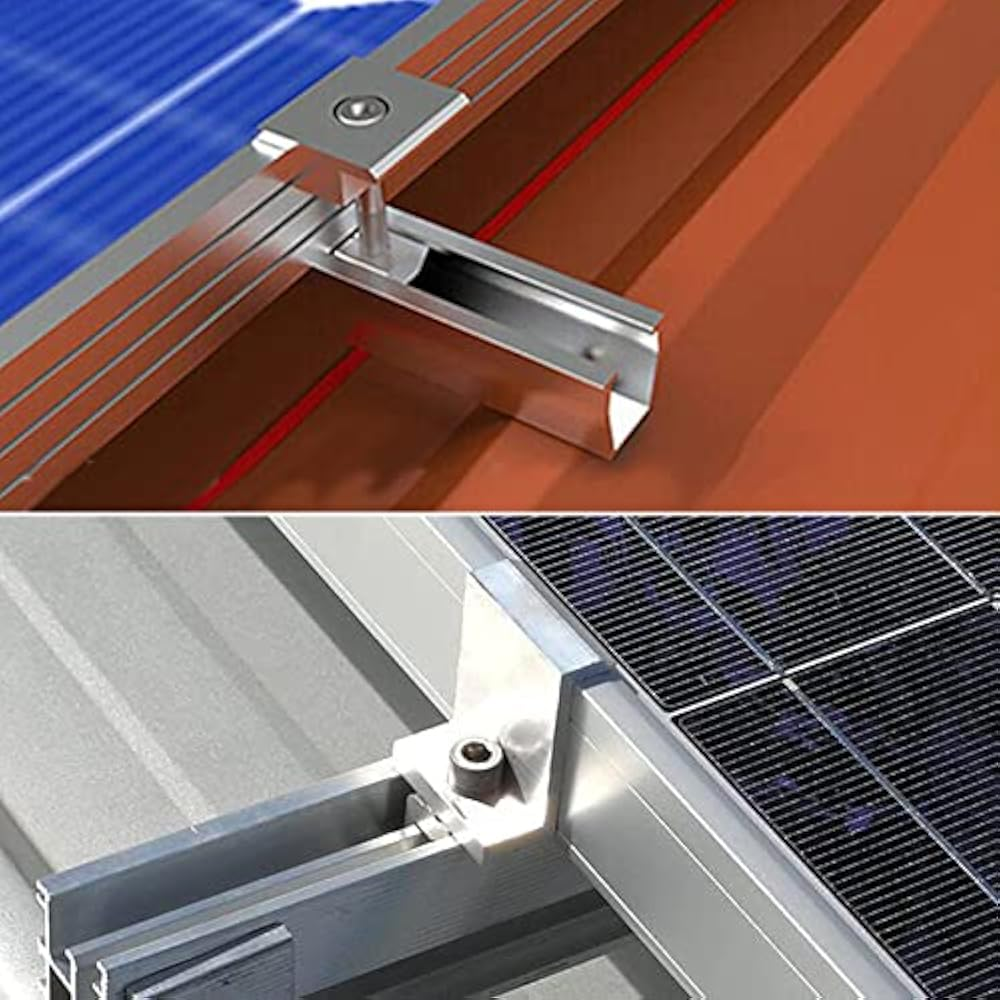
1. L-Foot Mounting System
- Most common method
- Attached directly to roof purlins
- Uses waterproof sealant
2. Rail-Based Mounting
- Aluminum rails fixed across roof
- Panels mounted on rails
- Strong and flexible
3. Clamp-Based (Non-Penetrating)
- No drilling required
- Ideal for specific sheet designs
- Premium option
For most Pakistani homes, L-foot with rails is the best balance.
Step-by-Step Guide: How to Install Solar Panels on a Slanted Tin Roof
Let’s break it down into a simple, real-world proccess.
Step 1: Roof Inspection & Load Assessment
Check:
- Thickness of tin sheet
- Condition (rust, damage)
- Structural support underneath
Weak roof? Reinforce it first.
Step 2: Identify Mounting Points
Important rule:
- Always fix into purlins or beams, not just sheet metal
This ensures strength and safety.
Step 3: Mark Layout & Panel Placement
- Align panels facing south (in Pakistan)
- Maintain proper spacing
- Avoid shaded areas
Good design = better output.
Step 4: Drill & Install L-Foot Brackets
- Drill carefully at marked points
- Use stainless steel bolts
- Apply waterproof sealant (very important)
This is where most leaks happen if done poorly.
Step 5: Install Mounting Rails
- Fix aluminum rails to L-feet
- Ensure proper alignment
- Check tilt angle
Step 6: Mount Solar Panels
- Secure panels using clamps
- Tighten properly (not too loose, not too tight)
- Maintain airflow gap
Step 7: Wiring & Connections
- Use UV-resistant cables
- Secure wiring properly
- Connect to inverter safely
Step 8: Earthing & Protection
- Ground the structure
- Install surge protection
- Add lightning arrestor if needed
Safety first—always.
Step 9: Testing & Commissioning
- Check voltage and current
- Monitor inverter performance
- Ensure no leakage or loose fittings
Cost Breakdown for Tin Roof Installation (Pakistan 2026)
Here’s what you can expect:
| Component | Cost (PKR) |
|---|---|
| Mounting Structure | 15,000 – 40,000 |
| Installation Labor | 10,000 – 30,000 |
| Sealants & Hardware | 5,000 – 10,000 |
| Total Extra Cost | 30,000 – 80,000 |
Solar ROI Insight
Tin roof installations are often cheaper than concrete setups—meaning faster payback.
Net Metering Considerations
If you plan to apply for Net Metering:
- Structure must meet safety standards
- Proper earthing is mandatory
- Installation must be certified
DISCO inspections in 2026 are stricter—don’t cut corners.
Common Mistakes to Avoid
Let me be honest—these mistakes are very common:
- Drilling directly into sheet without support
- Poor waterproofing (leaks start after rain)
- Weak mounting causing vibration
- Ignoring wind load
- No maintenence checks
And the biggest mistake?
Hiring cheap installers who don’t understand tin roof dynamics.
Advanced Tips for Better Performance
If you want next-level results:
- Use anti-rust coated structures
- Install wind deflectors
- Optimize tilt angle (20–30 degrees for Pakistan)
- Use high-efficiency panels (2026 models)
- Integrate smart monitoring systems
These small upgrades can significantly improve performance.
Middle-Class vs Elite Installation Strategy
Middle-Class Homes
- Use L-foot + rail system
- Focus on cost efficiency
- Avoid unnecessary upgrades
Elite Homes
- Use clamp-based premium systems
- Add hybrid inverter + Lithium batteries
- Install smart automation
Your setup should match your goals and budget.
Final Thoughts: Tin Roof Solar Done Right
Installing solar panels on a slanted tin roof isn’t just possible—it’s a smart move when done correctly.
Done right, you’ll get:
- Strong system performance
- Long-term durability
- Excellent Solar ROI
Done wrong, you’ll deal with leaks, damage, and constant repairs.
At sunvolt.site, we help homeowners across Pakistan design and install solar systems that are not just efficient—but safe and future-proof.
Ready to Install Solar on Your Tin Roof?
Don’t let your roof type stop you from going solar.
Visit sunvolt.site today to:
- Calculate your savings
- Get expert consultation
- Design a custom solar system for your home
Because in 2026, clean energy isn’t optional—it’s the smartest investment your making for your future.
Leave a Reply