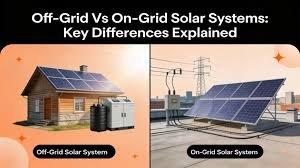
Electricity in Pakistan isn’t just expensive — it’s unpredictable. Load-shedding, voltage fluctuations, and rising tariffs have pushed homeowners toward solar energy. But here’s the big question: are On-Grid solar systems really the right choice in load-shedding areas?
Look, I get it, the upfront cost of solar is scary but… choosing the wrong system can cost you even more in the long run.
This guide breaks down the pros and cons of On-Grid solar systems in load-shedding areas, using real-world insights from Pakistan’s 2026 solar market. By the end, you’ll know whether an on-grid system is smart — or risky — for your home.
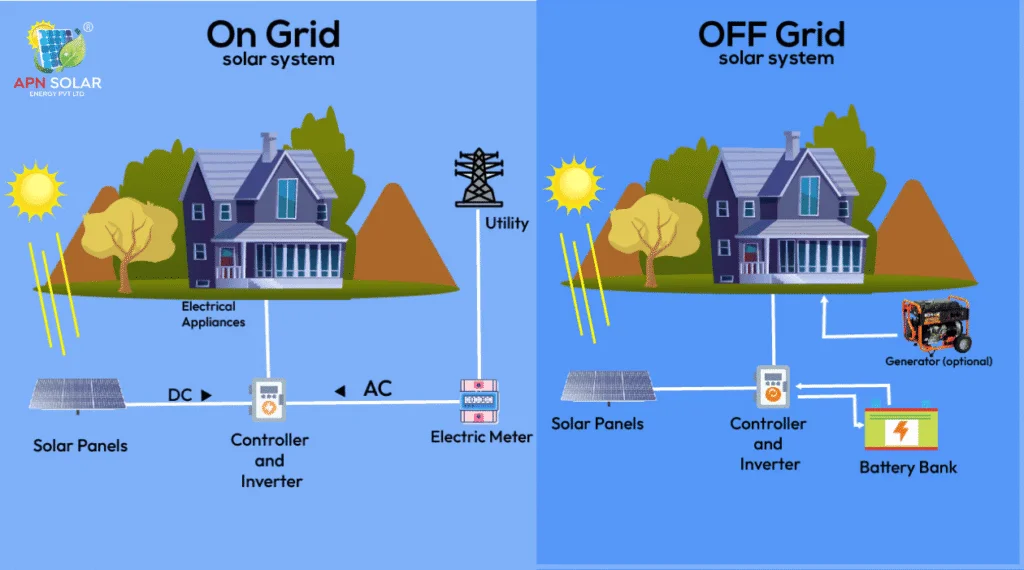
What is an On-Grid Solar System?
An On-Grid solar system is directly connected to the utility grid. It generates electricity from solar panels and uses the grid as a backup source.
Key Features:
- No batteries required
- Lower installation cost
- Works with Net Metering
- Relies on grid availability
Here is the real talk about why your electricity bill isn’t coming down: if your system shuts down during load-shedding, you’re back to square one.
How On-Grid Systems Work in Pakistan (2026)
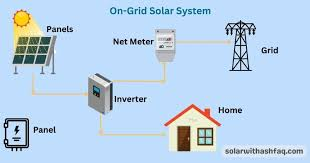
In Pakistan, On-Grid systems are heavily tied to Net Metering policies.
How it works:
- Solar panels generate electricity during the day
- Your home consumes energy first
- Excess units are exported to the grid
- You receive credits on your bill
This system is highly efficient in cities with stable electricity — but load-shedding changes the equation.
Pros of On-Grid Solar Systems in Load-Shedding Areas
Let’s start with the advantages — because there are some strong ones.
1. Maximum Savings Through Net Metering
On-grid systems are the best option for reducing electricity bills.
- Export excess units
- Earn credits
- Achieve up to 90% bill reduction
This is where your Solar ROI becomes very attractive, often within 2–3 years.
2. Lower Initial Investment
Compared to hybrid or off-grid systems:
- No Lithium batteries required
- Fewer components
- Easier installation
This makes it ideal for middle-class households who want quick savings without heavy upfront investment.
3. High Inverter Efficiency
Modern on-grid inverters in 2026 offer:
- 97–98% efficiency
- Smart monitoring apps
- Better grid synchronization
Higher efficiency means more usable energy and faster payback.
4. Minimal Maintenence
Without batteries:
- No battery replacement costs
- Lower system complexity
- Less long-term hassle
You mainly just need panel cleaning and occasional system checks.
5. Best for Urban Areas
If your area has:
- Low load-shedding
- Stable grid supply
Then on-grid systems are a no-brainer.
Cons of On-Grid Solar Systems in Load-Shedding Areas
Now let’s talk about the part most installers don’t highlight.
1. No Backup During Load-Shedding
This is the biggest drawback.
When grid power goes off:
- Your solar system shuts down
- You get zero electricity
- Even if sun is shining
This happens because on-grid systems are designed to prevent back-feeding into the grid for safety reasons.
2. Not Ideal for High Outage Areas
If you face:
- 4–8 hours daily load-shedding
Then an on-grid system alone won’t solve your problem.
3. Dependency on DISCO Policies
Your savings depend on:
- Net Metering approval
- Billing adjustments
- Government regulations
Any policy change can impact your returns.
4. No Energy Storage
Unlike hybrid systems:
- You can’t store excess energy
- Night-time usage depends on grid
This limits independence.
5. Voltage Fluctuation Risks
In some areas:
- Grid instability affects inverter performance
- System efficiency may drop
This is common in older infrastructure zones.
Comparison Table: On-Grid vs Off-Grid vs Hybrid Systems
| Feature | On-Grid System | Off-Grid System | Hybrid System |
|---|---|---|---|
| Net Metering | Yes | No | Yes |
| Battery Backup | No | Yes | Yes |
| Load-Shedding Use | No | Yes | Yes |
| Initial Cost | Low | Medium | High |
| Maintenance | Low | High | Medium |
| Ideal For | Urban Areas | Remote Areas | Load-Shedding Zones |
Expert Verdict:
If you live in a load-shedding area, a Hybrid system is often the smarter choice — even if it costs more upfront.
Cost Analysis & Solar ROI in Load-Shedding Areas
Let’s talk numbers — because this is where decisions are made.
On-Grid System Costs (2026 Pakistan)
| System Size | Cost (PKR) | Monthly Savings | ROI Period |
|---|---|---|---|
| 5kW | 800,000 – 950,000 | 25,000 – 35,000 | 2.5–3 yrs |
| 10kW | 1.5M – 1.8M | 50,000 – 70,000 | 2–3 yrs |
But here’s the catch:
If you experience frequent load-shedding:
- Your savings drop
- Your reliance on backup generators increases
- Your actual ROI gets delayed
So yes, on-grid saves money — but only when the grid is reliable.
Step-by-Step Guide: Should You Choose On-Grid in Your Area?
Let’s simplify your decision-making proccess.
Step 1: Analyze Load-Shedding Hours
- Less than 2 hours/day → On-grid is fine
- 3–6 hours/day → Consider hybrid
- 6+ hours/day → Avoid on-grid only
Step 2: Check Your Electricity Bills
- High bills (Rs. 30,000+) → Solar is essential
- Moderate bills → Smaller system works
Step 3: Evaluate Budget
- Limited budget → On-grid system
- Flexible budget → Hybrid system
Step 4: Think Long-Term
- Want savings only → On-grid
- Want independence → Hybrid
Step 5: Consult Experts
Platforms like sunvolt.site help you:
- Compare system types
- Calculate Solar ROI
- Find trusted installers
Smart Strategy for Load-Shedding Areas
Here’s what I recommend as a consultant:
Option 1: Start with On-Grid + UPS
- Lower cost
- Basic backup solution
Option 2: Upgrade to Hybrid Later
- Add Lithium batteries
- Increase independence
Option 3: Direct Hybrid Investment
- Higher upfront cost
- Best long-term solution
This phased approach works great for middle-class households.
Middle-Class vs Elite Approach
Middle-Class Homes:
- 5kW On-grid system
- Add inverter/UPS backup
- Upgrade later
Elite Homes:
- 10kW–20kW Hybrid system
- Lithium batteries
- Smart load management
Elite setups eliminate load-shedding completely.
Final Thoughts: Is On-Grid Worth It in Load-Shedding Areas?
Short answer: It depends.
Long answer: If your area has minimal outages, on-grid systems are one of the best investments you can make in 2026.
But if load-shedding is frequent, relying only on an on-grid system is risky.
Your not just buying solar — you’re designing your energy future.
And making the right decision today can save you lakhs of rupees over the next 20 years.
Call to Action
Still unsure whether an On-Grid system is right for your home?
Visit sunvolt.site today to calculate your savings, compare solar systems, and connect with trusted experts who understand Pakistan’s real energy challenges.
Don’t wait for another high electricity bill — take control of your power, your budget, and your future with the right solar solution.
Leave a Reply